Yo! I'm really stoked to be sharing the ins and outs of the production process of a Two Piece Agricultural Tire Mold with you today. As a supplier in this industry, I've got some hands - on experience and knowledge that I'm eager to spill the beans about.
Designing the Mold
First things first, we kick off the process with the design phase. You can't just start building a mold out of thin air. It all begins with a detailed plan. Our team of designers gets together, and we take a good hard look at the requirements of the agricultural tire. We consider things like the tire's size, the tread pattern, and the overall shape.
The tread pattern is super important. It has to be designed in a way that provides good traction on different types of agricultural terrains, whether it's muddy fields or dry, hard soil. We use advanced 3D modeling software to create a virtual model of the tire mold. This helps us visualize the final product and make any necessary adjustments before we move forward.
Selecting the Right Materials
Once the design is all set, it's time to pick the materials. We wanna make sure the mold is not only durable but also capable of withstanding the high - pressure and high - temperature conditions during the tire manufacturing process. We usually go for high - quality steel alloys. These alloys offer excellent strength and resistance to wear and tear.
We source our materials from trusted suppliers. After getting the raw materials, we conduct a series of tests on them. We check for hardness, density, and other physical properties to ensure they meet our strict standards.
Cutting and Shaping the Mold
After the materials are approved, we move on to the cutting and shaping stage. We use state - of - the - art machining tools, like CNC (Computer Numerical Control) machines. These machines are super precise. They can cut and shape the steel according to the 3D design we created earlier.


The cutting process is a slow and steady one. We need to make sure that every part of the mold is cut to the exact specifications. Any slight deviation can result in a defective tire mold. After cutting, we also do some grinding and polishing to smooth out the rough edges. This helps in getting a high - quality finish.
Tread Pattern Creation
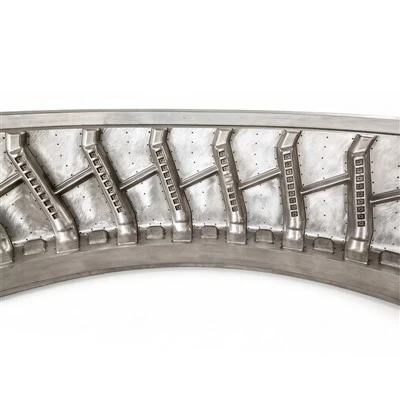
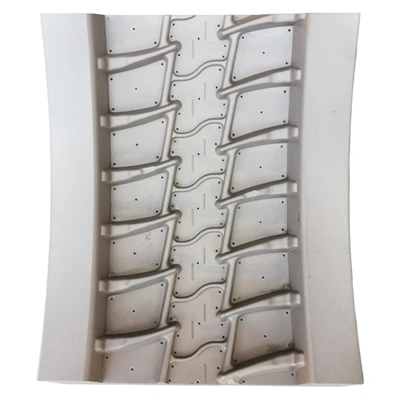
One of the most intricate parts of making a Two Piece Agricultural Tire Mold is creating the tread pattern. We use a variety of methods for this. Sometimes, we use engraving techniques, where we carve the pattern directly onto the mold's surface. In other cases, we use a process called EDM (Electrical Discharge Machining). This method uses electrical sparks to erode the metal and create the pattern.
The tread pattern has to be as accurate as possible. Small details can make a big difference in the tire's performance. For example, the depth and width of the grooves in the tread pattern affect the tire's traction and water - evacuation capabilities.
Heat Treatment
Once the mold is cut and the tread pattern is created, we subject it to heat treatment. Heat treatment is crucial as it improves the mold's hardness and toughness. We heat the mold to a very high temperature and then cool it down at a controlled rate. This process changes the internal structure of the steel, making it stronger and more resistant to deformation.
Assembly
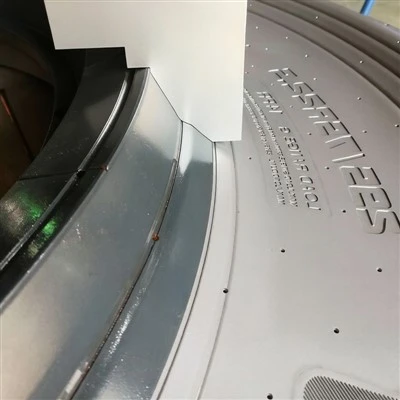
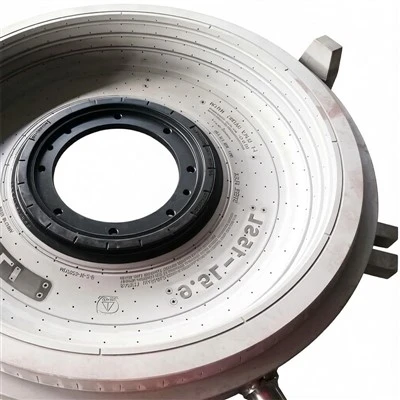
After heat treatment, it's time to assemble the two pieces of the mold. We carefully align the two parts to ensure that they fit perfectly together. Any misalignment can lead to problems during the tire manufacturing process. We use precision measuring tools to make sure everything is just right.
We also install any necessary components, like vents and ejectors. Vents are important as they allow air to escape during the tire molding process, preventing air bubbles from forming in the tire. Ejectors, on the other hand, are used to remove the finished tire from the mold after it's been cured.
Quality Control
Before we send the mold out to our customers, we go through a rigorous quality control process. We check the mold for any defects, such as cracks, uneven surfaces, or incorrect dimensions. We use a combination of visual inspections and advanced testing equipment.
We also conduct trial runs with the mold. We produce a few test tires to see how well the mold performs. We check the tires for things like tread quality, shape, and overall performance. If any issues are found, we make the necessary adjustments to the mold.
Our Product Range
As a supplier, we offer a wide range of Two Piece Tire Molds. You can check out our Off - Highway Engineering Tire Molds, which are designed for heavy - duty off - road applications. We also have Two Piece OTR Giant Tire Mold for those really big tires used in mining and construction.
If you're in the motorcycle industry, our Two Piece Motorcycle Tire Mold might be just what you need. For heavy - duty engineering projects, our Heavy - Duty Engineering Tire Molds are top - notch. And don't forget about our Two Piece Implement Tire Mold for agricultural implements.
Let's Connect
If you're in the market for a high - quality Two Piece Agricultural Tire Mold or any of our other tire molds, we'd love to hear from you. Whether you're a small - scale tire manufacturer or a large - scale operation, we can provide you with the right mold for your needs. Just reach out to us to start the conversation about your specific requirements. We're here to make sure you get the best product at a great price.
References
- "Tire Manufacturing Handbook" - A comprehensive guide on all aspects of tire production, including mold making.
- Industry research reports on tire mold materials and manufacturing technologies.