Hey there, folks! As a supplier of Hybrid Mold with Detachable Segments, I'm super stoked to dive into the acoustic characteristics of these amazing molds during operation. It might sound a bit technical at first, but trust me, it's pretty fascinating stuff.
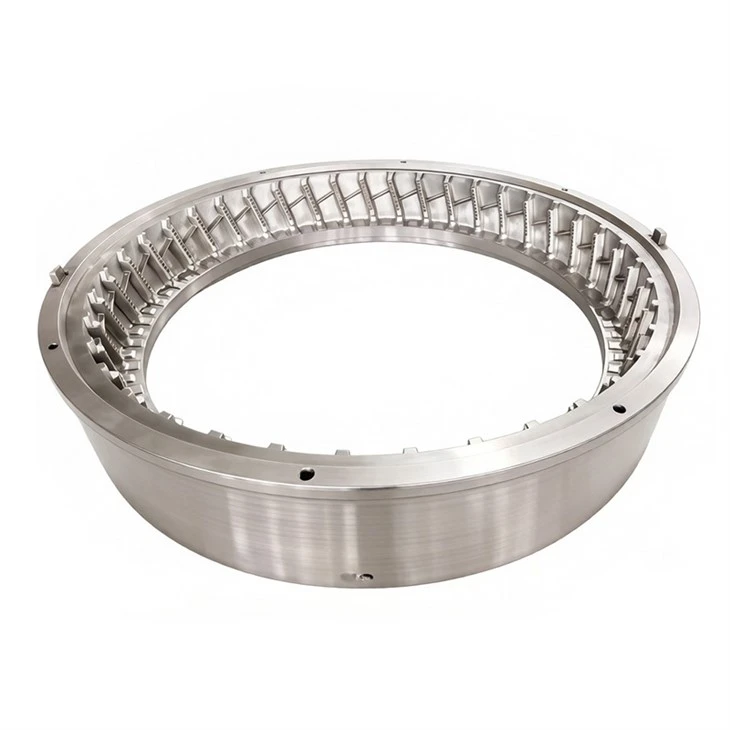
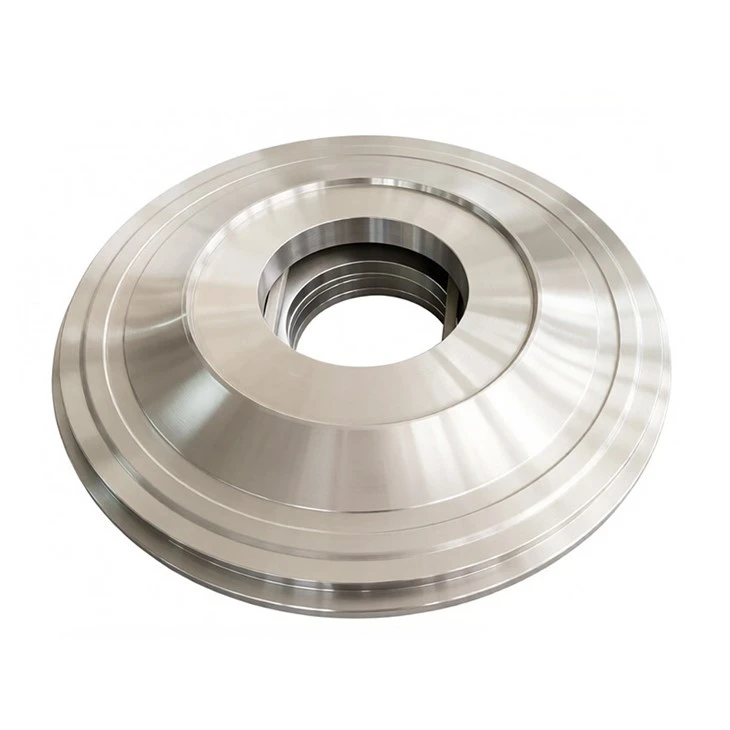
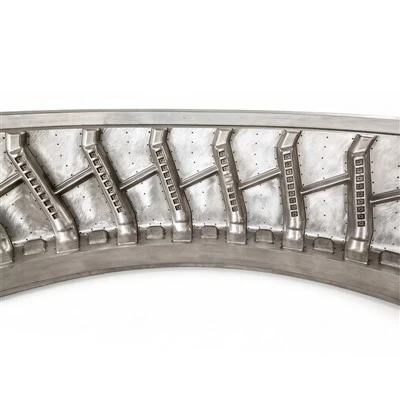
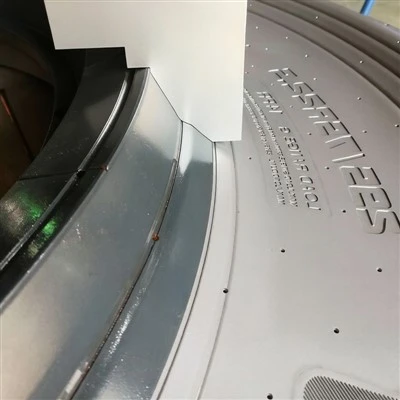
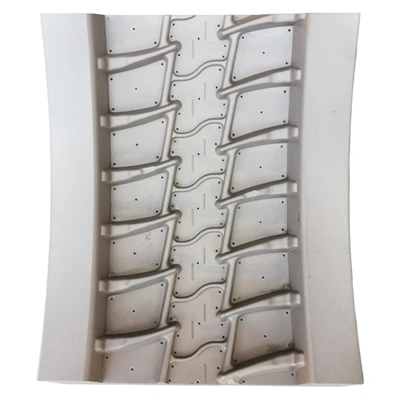
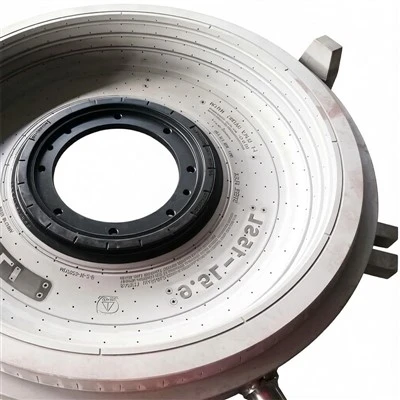
First off, let's quickly understand what a Hybrid Mold with Detachable Segments[1] is. It's a unique type of mold with detachable parts, offering flexibility and efficiency that traditional molds can't match. It's like having a multi - tool in the world of manufacturing. You can swap out segments as needed, making it ideal for producing a variety of products with different shapes and sizes. There's also something called the Two - Piece Mold Pattern Block[2], which has its own charm, but today, our focus is on our very own Hybrid Mold with Detachable Segments.
So, what happens acoustically when these molds are in action? Well, the operation of these molds involves several processes, like closing, opening, and the injection of materials. Each of these steps generates a distinct sound profile.
When the mold is closing, it's a bit like the gearing up of a well - oiled machine. You'll hear a series of low - pitched thuds and clunks as different segments come together. This is due to the physical contact between the segments and the main body of the mold. The sound is a result of mechanical forces at work, as the segments are precisely aligned and locked into place. The frequency of these sounds can vary depending on the size and weight of the segments. Larger segments might produce deeper, more resonant thuds, while smaller ones are likely to make sharper, quicker noises.
Next up is the injection process. This is where it gets really interesting. As the molten material is forced into the mold cavity, there's a high - pressure flow that creates a hissing or whistling sound. The intensity of this sound is directly related to the injection pressure. Higher pressures lead to louder and more pronounced hissing, as the material rushes through the narrow channels and into the mold. The viscosity of the material also plays a role. Thicker materials might cause a more subdued hissing, while thinner ones can result in a shriller sound.
Now, let's talk about the opening of the mold. Once the product has solidified, the mold needs to be opened to release it. This process generates a series of creaking and popping sounds. The creaking comes from the slow separation of the segments, as the mechanical joints that held them together during the molding process start to loosen. The popping sounds, on the other hand, are often due to the rapid release of air pressure that had built up inside the mold cavity during the injection process.
One of the things we're constantly working on as a supplier is reducing the noise levels of these molds. Excessive noise not only creates an unpleasant working environment but can also be a sign of inefficiencies in the mold's operation. To address this, we're always looking for ways to optimize the design of the segments and the overall mold structure. For example, using better - fitting segments can reduce the amount of rattling and clanging during operation. We're also exploring the use of damping materials in the construction of the molds. These materials can absorb and dissipate the sound energy, making the operation much quieter.
Another aspect of the acoustic characteristics is what they can tell us about the mold's health. Abnormal sounds can be early indicators of problems. If you start hearing a lot of grinding or screeching during the operation, it could mean that there's wear and tear on the segments or the moving parts of the mold. This could potentially lead to quality issues in the products being made, so it's important to address these problems as soon as possible. Regular acoustic monitoring can be a valuable diagnostic tool in maintaining the performance and longevity of the molds.
In addition to the sounds generated by the mold itself, the surrounding environment can also have an impact on the overall acoustic signature. For instance, if the mold is placed in a large, open workshop, the sound waves can bounce around and create echoes, making the noise seem louder and more disorienting. On the other hand, a well - insulated and designed workspace can help to contain the sound and reduce its impact on the workers.
Now, let me tell you, we're really proud of the Hybrid Mold with Detachable Segments we offer. They're not only great in terms of acoustic performance but also in terms of functionality and durability. Whether you're in the automotive industry, making small plastic parts, or in the consumer goods sector, these molds can meet your production needs.
If you're interested in learning more about our Hybrid Mold with Detachable Segments or want to discuss a potential purchase, don't hesitate to reach out. We're here to answer all your questions and help you find the perfect mold solution for your business.
References:
[1] "Hybrid Mold with Detachable Segments" [Online]. Available: /special - structure - mold/hybrid - mold - with - detachable - segments.html
[2] "Two - Piece Mold Pattern Block" [Online]. Available: /special - structure - mold/two - piece - mold - pattern - block.html