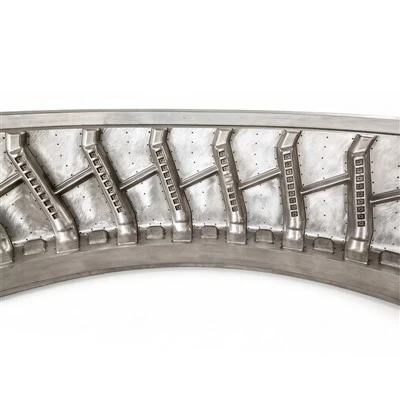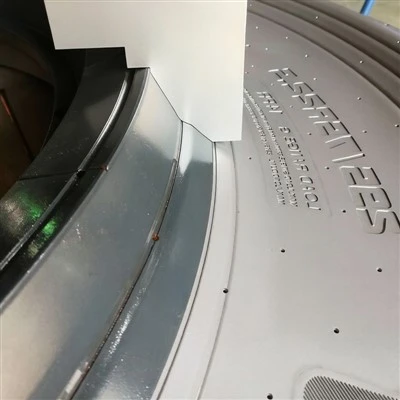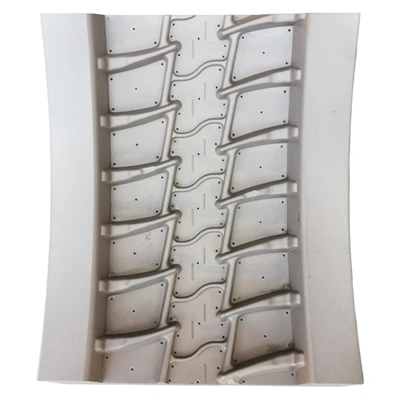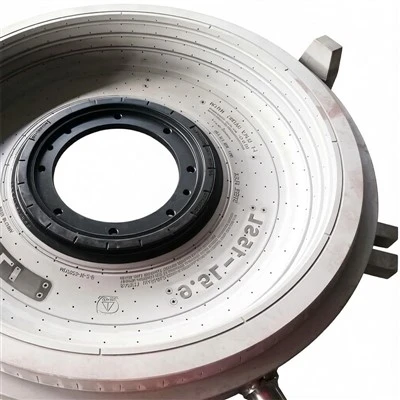
Hey there! As a supplier of Two Piece Engineering Tire Mold, I've seen firsthand how the mold cavity design can have a huge impact on a tire's internal structure. In this blog, I'll break down the key aspects of this relationship.
Understanding the Basics of Tire Mold Cavity Design
First off, let's talk about what a mold cavity is. It's basically the space inside the tire mold where the rubber is shaped and cured to form the tire. The design of this cavity is super important because it determines not just the tire's outer shape but also its internal structure.
The shape of the mold cavity can vary depending on the type of tire being made. For example, Two Piece Harvester Tire Mold has a different cavity design compared to Two Piece Aircraft Tire Mold. Harvester tires need to be durable and have good traction on uneven farmland, so the mold cavity is designed to create a tire with a thick tread and strong sidewalls. On the other hand, aircraft tires need to withstand high speeds and heavy loads during takeoff and landing. So, their mold cavity design focuses on creating a tire with a smooth, aerodynamic surface and a well - structured internal framework.
Impact on the Tire's Internal Reinforcement
One of the most critical parts of a tire's internal structure is its reinforcement. Tires usually have layers of fabric or steel cords that provide strength and stability. The mold cavity design can affect how these reinforcements are placed and how they interact with the rubber.
If the mold cavity has sharp corners or uneven surfaces, it can cause the reinforcement layers to bunch up or get misaligned during the molding process. This can weaken the tire and make it more prone to failure. For instance, in a Two Piece Tractor Tire Mold, a well - designed cavity ensures that the steel belts and fabric plies are evenly distributed throughout the tire. This results in a tire that can handle the heavy loads and rough terrain that tractors often encounter.


On the contrary, a poorly designed mold cavity can lead to areas of the tire where the reinforcement is too thin or too thick. This can cause uneven wear and tear, reducing the tire's lifespan and performance.
Influence on Air Entrapment
Another factor affected by the mold cavity design is air entrapment. During the molding process, air can get trapped between the rubber and the mold cavity. If not properly released, this trapped air can create voids or bubbles in the tire's internal structure.
A well - designed mold cavity has channels or vents that allow the air to escape during the molding process. For example, in Two Piece Mining Engineering Tire Mold, where the tires are large and the molding process is more complex, the mold cavity is carefully engineered to ensure efficient air release. This is crucial because voids in mining tires can lead to catastrophic failures, especially when the tires are under extreme pressure.
If the mold cavity doesn't have proper air - release mechanisms, the trapped air can cause the rubber to cure unevenly. This can result in a tire with inconsistent hardness and strength, which is a big no - no in the mining industry where safety is paramount.
Effect on the Tire's Heat Distribution
The mold cavity design also plays a role in how heat is distributed during the curing process. Curing is when the rubber is heated to a specific temperature to give it its final properties.
A good mold cavity design allows for uniform heat transfer. This means that the entire tire is cured evenly, resulting in a consistent internal structure. In the case of different types of two - piece molds, like those for aircraft or harvester tires, the heat distribution needs to be carefully controlled.
For example, aircraft tires need to have a very precise curing process to ensure that they can handle high - speed landings. If the mold cavity doesn't distribute heat evenly, some parts of the tire may be over - cured while others are under - cured. This can lead to a tire that doesn't perform as expected, with reduced durability and safety margins.
Implications for Tire Performance
All these factors related to the mold cavity design ultimately have a huge impact on the tire's performance. A tire with a well - designed internal structure, thanks to a good mold cavity, will have better traction, handling, and durability.
Tires made with the right mold cavity design can also have improved fuel efficiency. This is because a tire with a consistent internal structure has less rolling resistance. For commercial vehicles, such as those using Two Piece Tractor Tire Mold, better fuel efficiency can translate into significant cost savings over time.
On the other hand, a tire with a poorly designed internal structure due to a faulty mold cavity can lead to a host of problems. It may wear out quickly, have poor handling characteristics, and even pose a safety risk.
Why Choose Our Two - Piece Engineering Tire Molds
As a supplier of Two Piece Engineering Tire Mold, we take pride in our mold designs. Our team of experts uses the latest technology and materials to create mold cavities that ensure the best possible internal structure for your tires.
We understand the unique requirements of different types of tires, whether it's for harvesters, aircraft, tractors, or mining equipment. That's why we offer a wide range of two - piece molds, including Two Piece Harvester Tire Mold, Two Piece Aircraft Tire Mold, Two Piece Tractor Tire Mold, and Two Piece Mining Engineering Tire Mold.
If you're in the market for high - quality tire molds that can improve the internal structure and performance of your tires, we'd love to talk. Whether you're a small tire manufacturer or a large industrial player, our molds can make a real difference.
Conclusion
In conclusion, the mold cavity design has a profound impact on a tire's internal structure. From the placement of reinforcements to air entrapment and heat distribution, every aspect of the design matters. As a supplier of two - piece engineering tire molds, we're committed to providing solutions that help you produce top - quality tires.
If you're interested in learning more about our products or want to discuss your specific requirements, don't hesitate to reach out. Let's work together to create tires that perform at their best.
References
- Tire Technology Handbook, The Tire Society
- Rubber Molding Processing, American Chemical Society