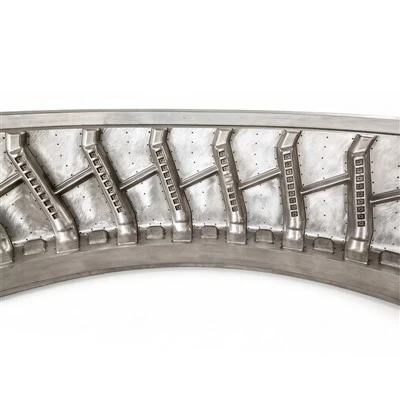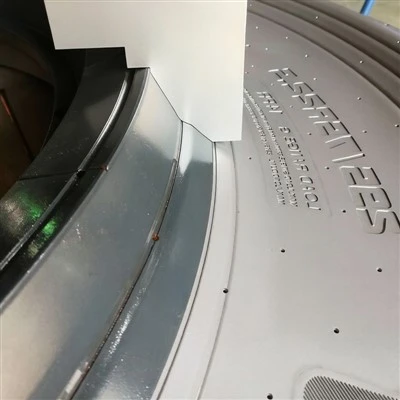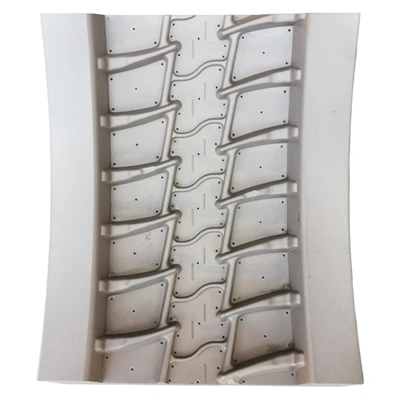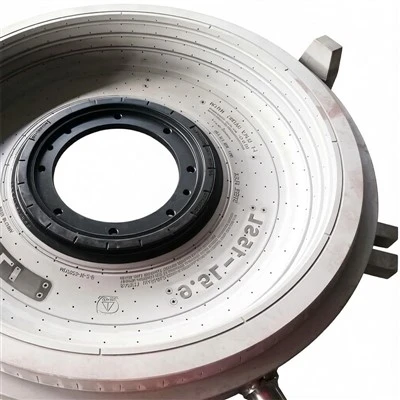
The installation process of a cone guide radial aircraft tire mold is a crucial and intricate procedure that demands precision, expertise, and strict adherence to safety protocols. As a reputable Cone Guide Radial Aircraft Tire Mold supplier, I'm here to provide you with a detailed overview of this process, ensuring that you have a comprehensive understanding of what it entails.
Pre - installation Preparations
Before initiating the installation of the cone guide radial aircraft tire mold, a series of preparatory steps are necessary. First and foremost, a thorough inspection of the mold is required. Check for any signs of damage, such as cracks, scratches, or deformities. This inspection should be carried out meticulously, as even minor damage can affect the quality of the tires produced.
Next, ensure that the installation site is clean, well - lit, and free from any obstructions. The area should be large enough to accommodate the mold and the necessary equipment for installation. Additionally, gather all the tools and equipment needed for the installation, including hoists, wrenches, and measuring instruments.
It is also essential to review the installation instructions provided by the manufacturer. These instructions are tailored to the specific design and requirements of the cone guide radial aircraft tire mold and should be followed closely. Familiarize yourself with the sequence of steps, torque specifications, and safety precautions.
Handling and Positioning the Mold
Once the preparations are complete, the mold needs to be carefully handled and positioned. Use a suitable hoist or lifting device to lift the mold from its storage location. Make sure that the lifting points are correctly identified and that the load is evenly distributed to prevent any damage to the mold during lifting.
Position the mold over the press or the installation platform. Align the mold with the mounting holes on the press. This alignment is critical as it ensures that the mold is properly seated and that the tire production process will be accurate. Use measuring tools to check the alignment and make any necessary adjustments.
Mounting the Mold
The mounting process involves attaching the mold to the press. Start by inserting the bolts through the mounting holes on the mold and the press. Do not fully tighten the bolts at this stage. Tighten the bolts gradually and in a criss - cross pattern to ensure even distribution of the tightening force. This helps to prevent any distortion of the mold.
Refer to the manufacturer's specifications for the correct torque values for the bolts. Using a torque wrench, tighten the bolts to the specified torque. Over - tightening or under - tightening the bolts can lead to problems during the tire production process, such as misaligned tread patterns or poor tire quality.
Connecting the Hydraulic and Electrical Systems
Many cone guide radial aircraft tire molds are equipped with hydraulic and electrical systems for functions such as mold opening and closing, temperature control, and pressure regulation. Connect the hydraulic hoses and electrical cables according to the wiring diagrams provided by the manufacturer.
Inspect the connections to ensure that they are secure and that there are no leaks in the hydraulic system. Test the electrical connections to verify that the power supply is functioning correctly. This step is crucial for the proper operation of the mold and the safety of the operators.
Testing and Calibration
After the mold is installed and the systems are connected, it is time for testing and calibration. Start by conducting a visual inspection of the entire installation to ensure that everything is in place and that there are no loose parts or connections.
Perform a dry run of the mold operation. This involves opening and closing the mold several times to check for any mechanical issues. Observe the movement of the mold components and listen for any abnormal noises.
Calibrate the temperature and pressure settings according to the requirements of the tire production process. Use the appropriate sensors and controllers to ensure that the temperature and pressure are maintained within the specified range. This calibration is essential for producing high - quality tires.
Quality Assurance
Once the testing and calibration are complete, conduct a quality assurance check. Produce a test tire using the installed mold. Inspect the test tire for any defects, such as uneven tread patterns, air bubbles, or improper curing. If any defects are found, troubleshoot the issue and make the necessary adjustments to the mold or the production process.
It is also important to document the installation process, including all the steps taken, the torque values used, and the results of the testing and calibration. This documentation serves as a record for future reference and can be useful for maintenance and troubleshooting purposes.


Other Related Tire Molds
In addition to cone guide radial aircraft tire molds, we also offer a wide range of other tire molds. You can explore our All Steel Radial Light Truck Tire Mold, All - Steel Heavy - Duty Truck Tire Molds, Segment Type Radial Tire Mold, All Steel Radial Truck Tire Mold, and Conical Surface Radial Bus Tire Mold. These molds are designed to meet the diverse needs of the tire industry and are manufactured with high - quality materials and advanced technology.
Contact for Purchase and Discussion
If you are interested in our cone guide radial aircraft tire molds or any of our other products, we invite you to contact us for purchase and discussion. Our team of experts is ready to assist you with any questions you may have regarding the installation process, product specifications, or pricing. We are committed to providing you with the best quality products and services to meet your tire manufacturing needs.
References
- Tire Mold Installation Manuals from leading manufacturers
- Industry standards and best practices for tire mold installation
- Technical papers on tire mold design and operation