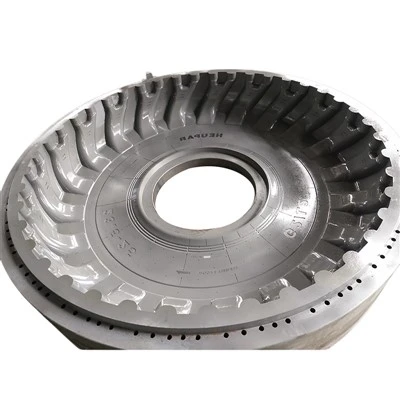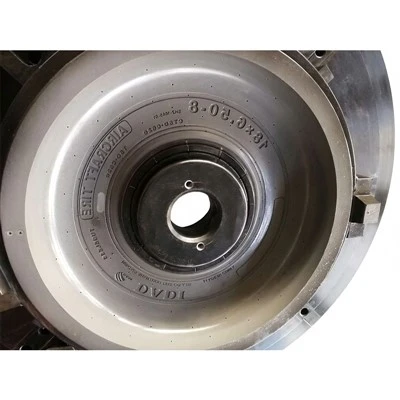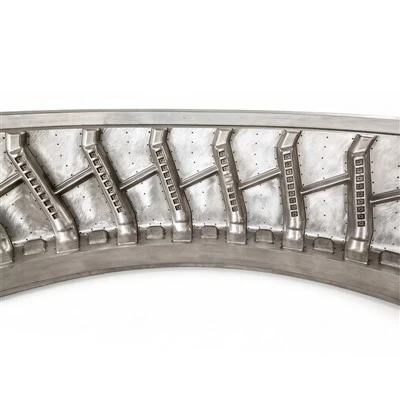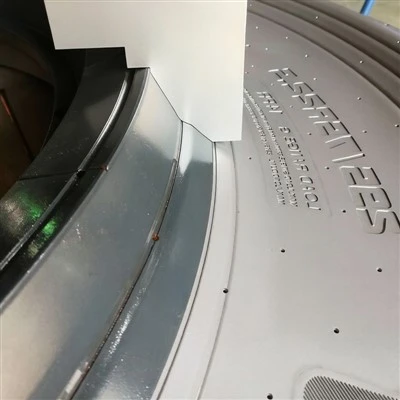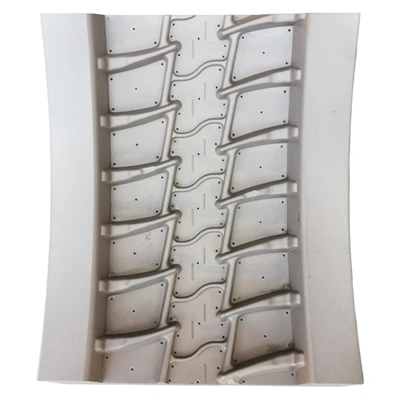
So, you're in the off-highway engineering tire game, and you know that getting the tires out of the molds smoothly is a big deal. As a supplier of Off-Highway Engineering Tire Molds, I've seen firsthand how crucial the right mold release agent is. Let's break down what we need from these agents to keep our operations running like a well-oiled machine.
1. Excellent Release Performance
The number one job of a mold release agent is, well, to release the tire from the mold. Off-highway engineering tires are often large, heavy, and have complex tread patterns. This means the release agent has to work hard to ensure that the tire comes out cleanly without any tearing or sticking.
We need a release agent that can form a strong, even film on the mold surface. This film acts as a barrier between the rubber of the tire and the metal of the mold. It should be able to withstand the high pressures and temperatures involved in the tire molding process. For example, during the vulcanization stage, temperatures can reach up to 150 - 200°C (302 - 392°F). The release agent mustn't break down or lose its effectiveness under these conditions.
2. Compatibility with Rubber Compounds
Off-highway engineering tires are made from a variety of rubber compounds, each with its own set of properties. The mold release agent has to be compatible with all these different compounds. If it's not, it can cause issues like surface defects on the tire, such as blisters or discoloration.
Some rubber compounds are more sensitive to certain chemicals than others. So, a one-size-fits-all release agent won't cut it. We need an agent that has been tested and proven to work well with the specific rubber formulations used in off-highway engineering tires. This ensures that the quality of the final product isn't compromised.
3. Long Service Life
In a production environment, efficiency is key. We don't want to be constantly reapplying the mold release agent after every few tire moldings. A good release agent should have a long service life, meaning it can be used for multiple mold cycles before needing to be reapplied.
This not only saves time but also reduces costs. The less time we spend on reapplication, the more tires we can produce. And since mold release agents are an ongoing expense, a longer service life means lower overall costs for the production process.
4. Environmental Friendliness
In today's world, environmental concerns are at the forefront of many industries, and the tire manufacturing industry is no exception. We need mold release agents that are environmentally friendly. This means they should have low volatile organic compound (VOC) emissions.
High VOC emissions can be harmful to the environment and the health of workers in the manufacturing facility. By using an environmentally friendly release agent, we can reduce our carbon footprint and create a safer working environment for our employees.
5. Ease of Application
The release agent should be easy to apply. Whether it's sprayed, wiped, or brushed on, the application process should be quick and straightforward. This is especially important in a high-volume production setting, where every minute counts.
An agent that can be easily and evenly applied across the entire mold surface ensures consistent release performance. It also reduces the chances of human error during the application process.
6. Resistance to Wear and Tear
Off-highway engineering tire molds are subject to a lot of wear and tear. The constant opening and closing of the molds, as well as the high pressures and temperatures, can take a toll on the mold surface. The mold release agent should be able to resist this wear and tear and continue to provide effective release performance.
It should also help protect the mold surface from corrosion and other forms of damage. This extends the lifespan of the molds, which is a significant cost-saving factor for our business.
7. Compatibility with Other Mold Treatments
Sometimes, we use other treatments on our molds, such as coatings or surface finishes. The mold release agent should be compatible with these other treatments. If it's not, it can cause issues like delamination or reduced effectiveness of either the release agent or the other treatment.
For example, if we have a special anti-stick coating on the mold, the release agent should work in harmony with it to provide the best possible release performance.
8. Cost-Effectiveness
Last but not least, cost is always a consideration. We need a mold release agent that offers good value for money. This doesn't mean we're looking for the cheapest option, but rather a product that provides the right balance of performance and cost.
A high-quality release agent that meets all the requirements mentioned above may have a higher upfront cost, but it can save us money in the long run. By reducing production downtime, improving product quality, and extending the lifespan of the molds, it can ultimately lead to lower overall production costs.

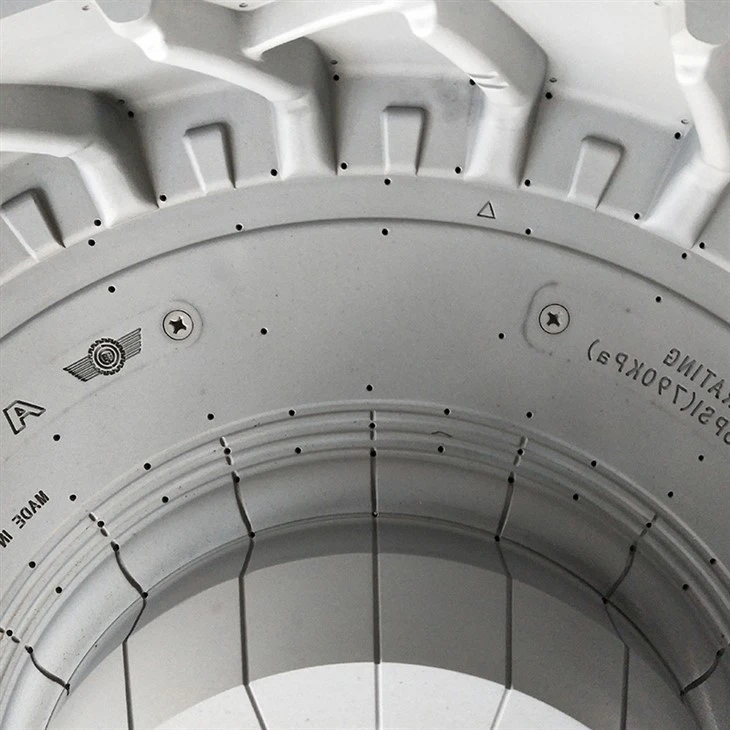
In conclusion, finding the right mold release agent for off-highway engineering tire molds is no easy task. It requires a careful balance of performance, compatibility, environmental friendliness, and cost. As a supplier of Off-Highway Engineering Tire Molds, we're always on the lookout for the best release agents to ensure the smooth operation of our customers' production processes.
If you're in the market for off-highway engineering tire molds or have any questions about the requirements for mold release agents, we'd love to hear from you. We also supply other types of molds like Two Piece Motorcycle Tire Mold, Two Piece Implement Tire Mold, Heavy-Duty Engineering Tire Molds, and Two Piece Agricultural Tire Mold. Reach out to us to discuss your specific needs and start a procurement conversation.
References
- Tire Manufacturing Handbook: A Comprehensive Guide to the Tire Manufacturing Process
- Rubber Technology and Compounding: Principles, Materials, and Applications