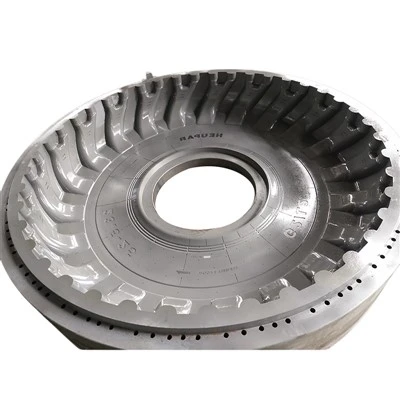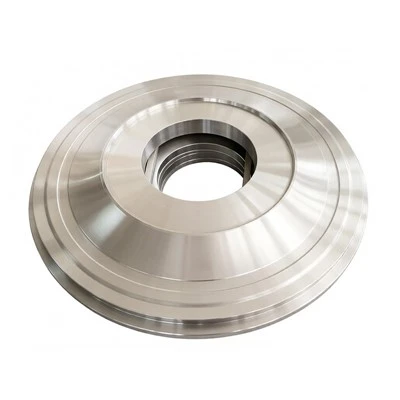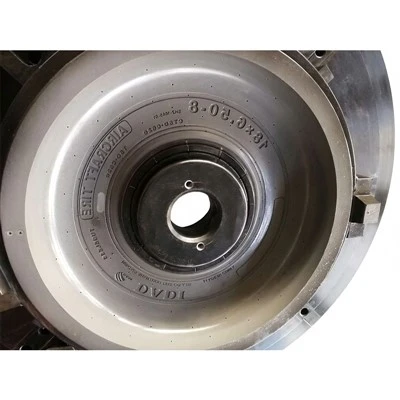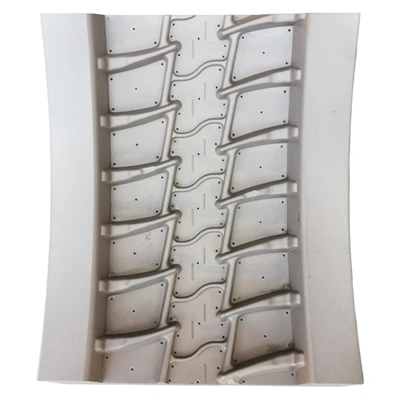
Hey there! As a supplier of special structure molds, I've seen firsthand how crucial it is to optimize mold design for production efficiency. In today's competitive manufacturing landscape, every second counts, and an optimized mold can make a world of difference in terms of productivity, cost savings, and overall quality. In this blog post, I'll share some tips and strategies on how to achieve just that.
Understanding the Basics of Special Structure Molds
Before we dive into optimization, let's quickly go over what special structure molds are and why they're important. Special structure molds are custom-designed molds that are used to produce complex or unique parts. These molds can have various features, such as detachable segments, multi-piece patterns, or intricate geometries, to accommodate the specific requirements of the part.
The key to designing an efficient special structure mold lies in understanding the part's geometry, material properties, and production requirements. By taking these factors into account, you can create a mold that not only produces high-quality parts but also minimizes production time and costs.
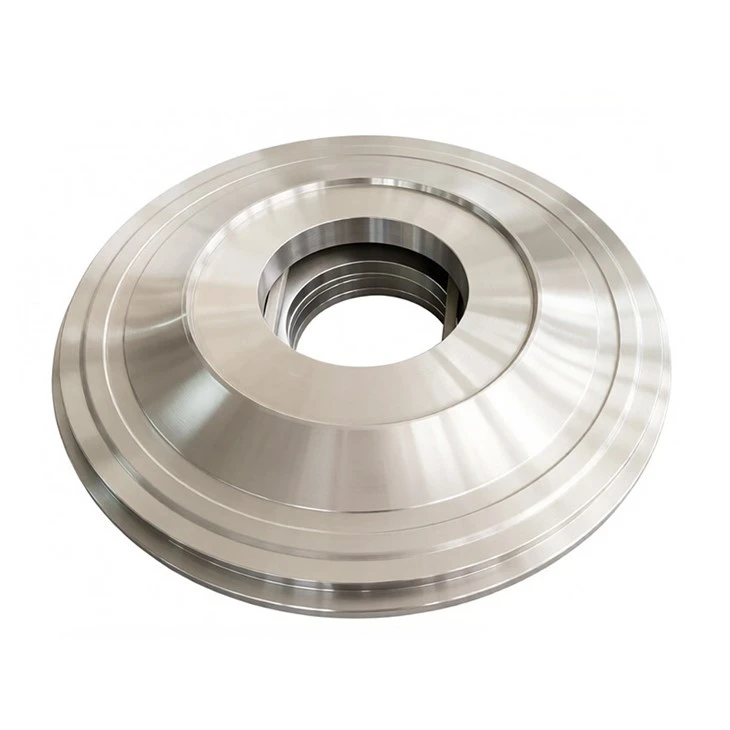
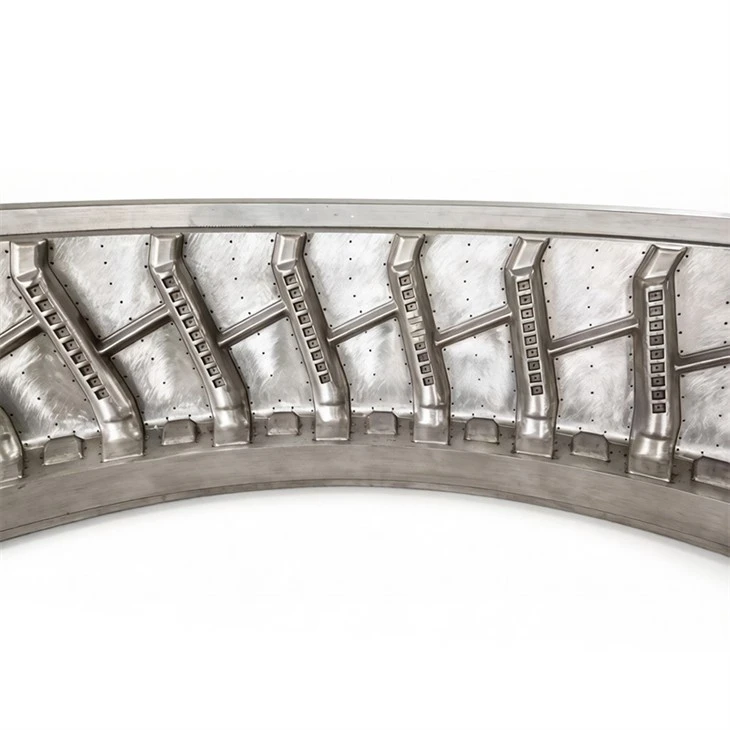
Tips for Optimizing Mold Design
Now that we have a basic understanding of special structure molds, let's explore some tips for optimizing their design for production efficiency.
1. Simplify the Mold Design
One of the most effective ways to improve production efficiency is to simplify the mold design. This means reducing the number of parts, eliminating unnecessary features, and streamlining the overall structure of the mold. By simplifying the design, you can reduce the time and cost required to manufacture and maintain the mold, as well as minimize the risk of errors and defects.
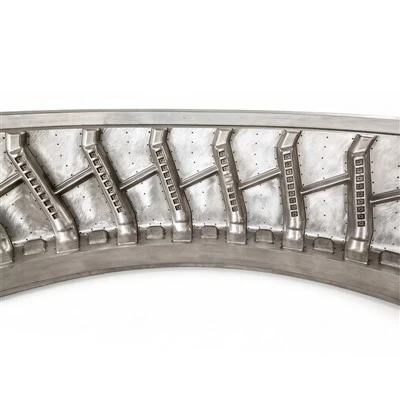
For example, instead of using a complex multi-piece mold, consider using a Hybrid Mold with Detachable Segments. These molds allow you to easily remove and replace individual segments, which can simplify the manufacturing process and reduce downtime.
2. Optimize the Cooling System
Another important factor in mold design is the cooling system. A properly designed cooling system can significantly reduce cycle times, improve part quality, and extend the life of the mold. To optimize the cooling system, you should consider the following:
- Cooling Channel Design: The cooling channels should be designed to ensure uniform cooling throughout the mold. This can be achieved by using a combination of straight, curved, and spiral channels, as well as by adjusting the diameter and spacing of the channels.
- Cooling Fluid Selection: The choice of cooling fluid can also have a significant impact on the performance of the cooling system. Water is the most commonly used cooling fluid, but other fluids, such as oil or glycol, may be more suitable for certain applications.
- Cooling System Maintenance: Regular maintenance of the cooling system is essential to ensure its optimal performance. This includes cleaning the cooling channels, checking the coolant level and temperature, and replacing any worn or damaged components.
3. Use High-Quality Materials
The choice of materials used in the mold can also affect its performance and durability. Using high-quality materials can help to reduce wear and tear, improve part quality, and extend the life of the mold. When selecting materials for the mold, you should consider the following:
- Material Hardness: The material should be hard enough to withstand the forces and pressures exerted during the molding process.
- Corrosion Resistance: The material should be resistant to corrosion, especially if it will be exposed to aggressive chemicals or environments.
- Thermal Conductivity: The material should have good thermal conductivity to ensure efficient cooling of the mold.
4. Incorporate Automation
Automation can play a significant role in improving production efficiency in mold manufacturing. By automating repetitive tasks, such as mold loading and unloading, part ejection, and quality inspection, you can reduce labor costs, increase productivity, and improve the consistency and accuracy of the molding process.
For example, you can use robotic arms to load and unload the mold, sensors to detect and remove defective parts, and computerized control systems to monitor and adjust the molding parameters in real-time.
5. Collaborate with Your Customers
Finally, it's important to collaborate closely with your customers throughout the mold design process. By understanding their specific requirements and expectations, you can design a mold that meets their needs and exceeds their expectations. This can help to build strong relationships with your customers, increase customer satisfaction, and generate repeat business.
Conclusion
Optimizing the design of a special structure mold for production efficiency is a complex and challenging task, but it's also essential for the success of your manufacturing business. By following the tips and strategies outlined in this blog post, you can create a mold that not only produces high-quality parts but also minimizes production time and costs.
If you're interested in learning more about our special structure molds or have any questions about mold design optimization, please don't hesitate to contact us. We'd be happy to discuss your specific requirements and provide you with a customized solution.
References
- "Mold Design for Injection Molding: A Practical Guide" by John W. Beaumont
- "Injection Molding Handbook" by Heinz Saher