As a supplier of Two Piece Harvester Tire Molds, I often get asked a really interesting question: "Can a two - piece harvester tire mold be used with different rubber compounds?" Well, let's dig into this topic and see what we can find out.
Understanding Two - Piece Harvester Tire Molds
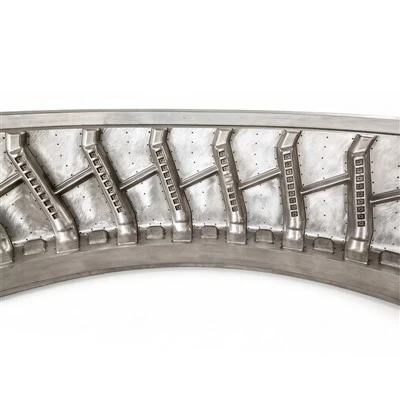
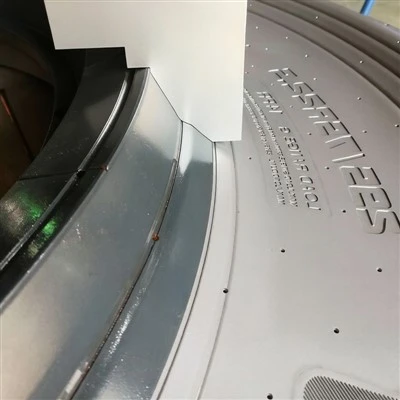
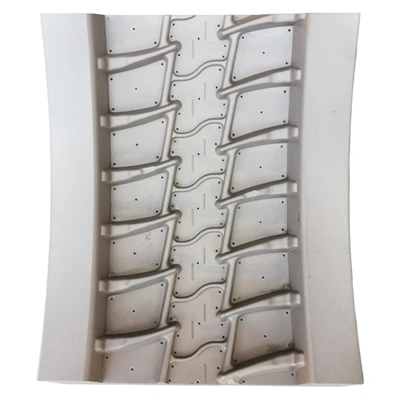
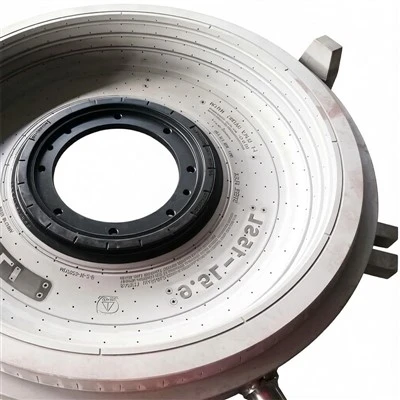
First off, let's talk a bit about two - piece harvester tire molds. These molds are designed to create tires for harvesters, which are heavy - duty machines used in the agricultural industry. The two - piece design allows for easy removal of the tire after it's been molded. It's a pretty nifty setup that has been around for a while and has proven to be quite effective.
The mold itself is made of high - quality steel, which can withstand the high pressures and temperatures involved in the tire - molding process. It's precision - engineered to ensure that the tire has the right shape, tread pattern, and dimensions.
Different Rubber Compounds
Now, rubber compounds are like the secret sauce of tire manufacturing. There are all sorts of different rubber compounds out there, each with its own unique properties. Some rubber compounds are designed for better traction, others for increased durability, and some for improved fuel efficiency.
For example, a rubber compound with a high silica content might be used to make a tire that has better wet - weather traction. On the other hand, a compound with a lot of carbon black might be used for a tire that needs to be really tough and resistant to wear.
Can They Be Used Together?
The short answer is yes, a two - piece harvester tire mold can be used with different rubber compounds. But there are a few things to consider.
Compatibility
The first thing is compatibility. Not all rubber compounds are going to work well with every mold. Some compounds might have a different viscosity or curing time, which could affect how the tire is formed in the mold. For instance, if a rubber compound has a very high viscosity, it might not flow evenly into all the nooks and crannies of the mold, resulting in a tire with an uneven tread or other defects.
Curing Process
The curing process is another important factor. Different rubber compounds require different curing temperatures and times. If you use a rubber compound that needs a longer curing time than the mold is designed for, you might end up with an under - cured tire. On the other hand, if the compound cures too quickly, it could cause the tire to shrink or develop cracks.


Performance Requirements
The performance requirements of the tire also play a role. If you're making a tire for a harvester that operates in a very wet environment, you'll want to use a rubber compound that provides good wet - weather traction. But if the harvester is used in a dry, dusty area, a compound that offers better wear resistance might be more appropriate.
Advantages of Using Different Rubber Compounds with Two - Piece Harvester Tire Molds
There are actually some pretty cool advantages to using different rubber compounds with these molds.
Customization
One of the biggest advantages is customization. By using different rubber compounds, you can create tires that are tailored to the specific needs of your customers. For example, a farmer who has a lot of wet fields might want a tire with better traction, while a farmer in a drier area might be more concerned with durability.
Cost - Effectiveness
Using different rubber compounds can also be cost - effective. You can choose a less expensive compound for the parts of the tire that don't need to be as high - performance, and a more expensive, high - performance compound for the critical areas, like the tread.
Examples of Other Two - Piece Tire Molds
We're not just limited to harvester tire molds. There are other types of two - piece tire molds out there that also work with different rubber compounds.
- Heavy - Duty Engineering Tire Molds: These molds are used to make tires for heavy - duty engineering vehicles. They can handle different rubber compounds depending on the specific requirements of the vehicle, such as load - bearing capacity and traction.
- Two Piece Aircraft Tire Mold: Aircraft tires need to be extremely reliable and have high performance. Different rubber compounds can be used in these molds to meet the strict safety and performance standards of the aviation industry.
- Two Piece Agricultural Tire Mold: Similar to harvester tire molds, these molds can use different rubber compounds to create tires for various agricultural equipment, with different needs for traction, durability, and fuel efficiency.
- Two Piece Mining Engineering Tire Mold: Mining vehicles operate in some of the harshest conditions. Different rubber compounds can be used in these molds to create tires that can withstand the rough terrain, heavy loads, and high temperatures.
- Two Piece Motorcycle Tire Mold: Motorcycle tires need to provide good handling and traction. Different rubber compounds can be used in these molds to create tires that are suitable for different riding styles and conditions.
Conclusion
In conclusion, a two - piece harvester tire mold can definitely be used with different rubber compounds. However, it's important to consider compatibility, the curing process, and the performance requirements of the tire. By doing so, you can create customized, cost - effective tires that meet the specific needs of your customers.
If you're in the market for two - piece harvester tire molds or any of the other types of two - piece tire molds I mentioned, feel free to reach out. We're here to help you find the right solution for your tire manufacturing needs.
References
- Tire Manufacturing Handbook, various authors
- Rubber Compounding: Principles, Materials, and Techniques, Maurice Morton