Hey there! As a supplier of Two Piece Bias Tire Molds, I get asked a lot whether it's easy to operate these molds. Well, let's dive right into it and break it down.
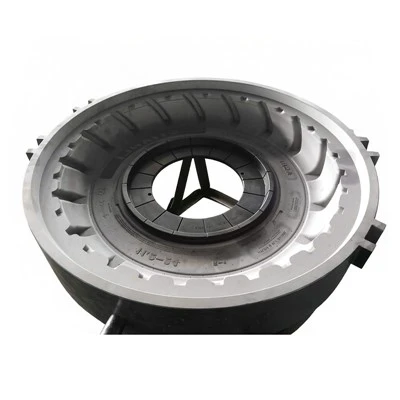
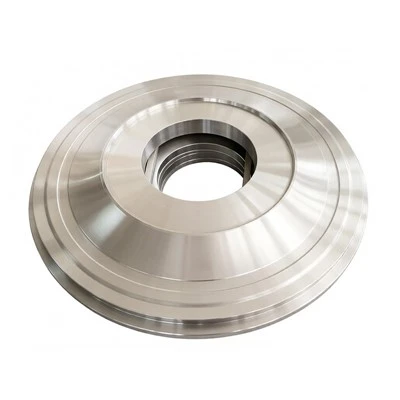
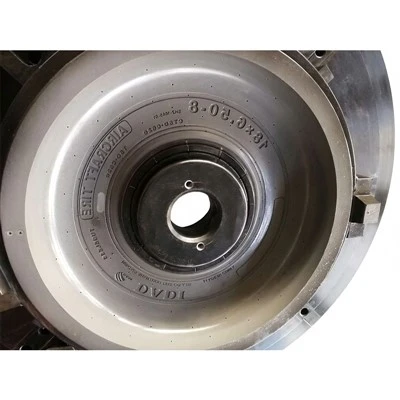
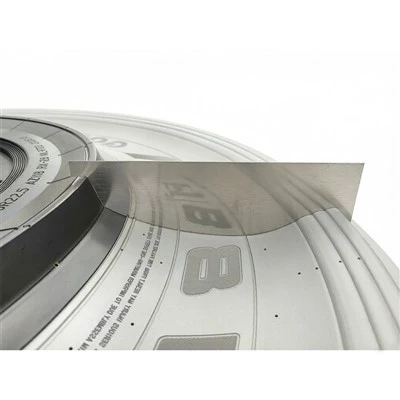
First off, what exactly are Two Piece Bias Tire Molds? These molds are used in the tire manufacturing process to shape bias tires. Bias tires have ply cords that extend diagonally from bead to bead. The two - piece design of the mold means it consists of two main parts that work together to give the tire its shape.
Now, let's talk about the level of ease when it comes to operating these molds. There are definitely some aspects that make it relatively straightforward, but there are also a few challenges that operators need to be aware of.
One of the plus points is the basic principle of how these molds work. Once you understand the general concept of mold closing and opening, it's not overly difficult to grasp. The two pieces come together to form a cavity in the shape of the tire. When the rubber compound is injected into this cavity, under the right temperature and pressure, it takes on the shape of the mold. Sounds simple enough, right?
In modern times, many of these molds are equipped with advanced control systems. These systems can automate a lot of the process, like adjusting the temperature, pressure, and time for the vulcanization process. For an operator who's familiar with working with automated machinery, this can make the job a whole lot easier. You can set the parameters on the control panel, and the mold will do the rest, minimizing the need for constant manual intervention.
However, it's not all smooth sailing. There are a few factors that can make operating Two Piece Bias Tire Molds a bit tricky. For starters, the nature of the materials used in tire manufacturing can be challenging. The rubber compounds are sticky and can sometimes cause issues during the mold opening and closing process. If not properly lubricated, the rubber can stick to the mold surface, leading to uneven tire surfaces or even damage to the mold itself.
Another challenge is maintaining the correct temperature and pressure throughout the process. If the temperature is too high, the rubber can over - vulcanize, making the tire hard and brittle. On the other hand, if the temperature is too low, the vulcanization may not be complete, resulting in a weak and unreliable tire. Similarly, incorrect pressure can lead to problems like uneven tire distribution or air bubbles trapped inside the tire.
The size and complexity of the molds also play a role. Larger molds, such as Heavy - Duty Engineering Tire Molds, require more power to operate and are more difficult to handle. They may need specialized equipment for moving and positioning, which adds an extra layer of complexity to the operation.
When it comes to different types of Two Piece Bias Tire Molds, each has its own set of considerations. For example, Two Piece Engineering Tire Mold are designed for engineering vehicles, and they often need to withstand higher loads and more extreme conditions. This means that the operating requirements, such as temperature and pressure, may be more stringent compared to smaller molds.


Two Piece OTR Giant Tire Mold are used for off - the - road (OTR) giant tires. These molds are massive in size and need to be operated with great precision. The larger the mold, the more difficult it is to ensure uniform temperature and pressure distribution during the vulcanization process.
Two Piece Earthmover Engineering Tire Mold are specifically tailored for earth - moving equipment. They need to produce tires that can handle rough terrains and heavy loads. Operators need to be extra careful about the mold alignment and sealing to prevent any leakage of the rubber compound.
Two Piece Motorcycle Tire Mold are relatively smaller in size but require a high level of precision. Motorcycles have different handling requirements, so the tires need to be molded with great accuracy to ensure good performance and safety.
To overcome these challenges, proper training is essential. Operators should undergo comprehensive training programs that cover all aspects of mold operation, from basic functions to troubleshooting. Regular maintenance of the molds is also crucial. This includes cleaning, lubricating, and inspecting the molds for any signs of wear and tear. By keeping the molds in good condition, it can significantly reduce the chances of operational problems.
In conclusion, while operating Two Piece Bias Tire Molds has its challenges, it's not impossible. With the right training, equipment, and maintenance, operators can achieve consistent and high - quality tire production. If you're in the tire manufacturing business and are looking for reliable Two Piece Bias Tire Molds, we're here to help. We offer a wide range of molds to suit different needs, whether it's for heavy - duty engineering, off - road, or motorcycle tires.
If you're interested in learning more about our products or have any questions regarding the operation of these molds, feel free to reach out and start a discussion. We're more than happy to work with you to find the best solutions for your tire manufacturing requirements.
References:
- Industry knowledge from years of experience as a Two Piece Bias Tire Mold supplier.
- Technical manuals and specifications from tire mold manufacturers.