In the modern manufacturing landscape, the environmental impact of industrial processes has become a critical concern. As a two piece mold supplier deeply entrenched in this sector, we recognize the significance of minimizing these impacts. This blog post aims to explore various strategies and best practices that can be employed to reduce the environmental footprint associated with using two piece molds.
1. Material Selection
One of the fundamental steps in minimizing environmental impacts begins with the choice of materials. When procuring materials for two piece molds, it is essential to opt for sustainable and recyclable options. For instance, selecting high - quality steel alloys that have a long service life not only reduces the frequency of mold replacements but also allows for easy recycling at the end of their life cycle. By using recycled materials whenever possible, we can significantly decrease the energy consumption and raw material extraction required for the manufacturing of new molds.
The carbon footprint of the material also plays a crucial role. Some steel suppliers offer low - carbon alternatives that are produced using more energy - efficient processes. By choosing these materials, we can contribute to a reduction in greenhouse gas emissions. Additionally, we should ensure that the materials are sourced from suppliers who adhere to ethical and environmental standards, promoting a more sustainable supply chain.
2. Energy Efficiency in Manufacturing Processes
The manufacturing of two piece molds consumes a significant amount of energy, predominantly in processes such as casting, machining, and heat treatment. To minimize the environmental impact, energy - efficient technologies should be adopted. For example, modern machining centers equipped with advanced control systems can optimize cutting parameters, reducing the energy required for each machining operation.
Heat treatment processes, which are essential for enhancing the mechanical properties of the molds, can also be made more energy - efficient. Using induction heating instead of traditional furnace heating can significantly reduce energy consumption. Induction heating is a targeted and rapid heating method that can precisely heat the mold to the required temperature, minimizing heat loss and improving overall energy efficiency.
3. Water Conservation
Water is another important resource used in the manufacturing of two piece molds, particularly in cooling processes. To minimize water consumption, recycling systems can be installed. These systems collect and treat the water used in cooling operations, allowing it to be reused multiple times. By reducing the amount of fresh water intake, we can conserve this precious resource and also decrease the environmental impact associated with water treatment and disposal.
In addition to recycling, implementing leak - detection and repair programs can prevent water wastage. Regular inspections of water - using equipment and pipes can identify and fix leaks promptly, ensuring that water is used efficiently throughout the manufacturing process.
4. Waste Reduction and Management
Waste generation is an inevitable part of the two piece mold manufacturing process. However, by implementing effective waste reduction and management strategies, we can minimize its impact on the environment. One approach is to optimize the design of the molds to reduce the amount of scrap material generated during machining. Advanced computer - aided design (CAD) and manufacturing (CAM) software can help in creating more efficient designs that maximize the use of raw materials.

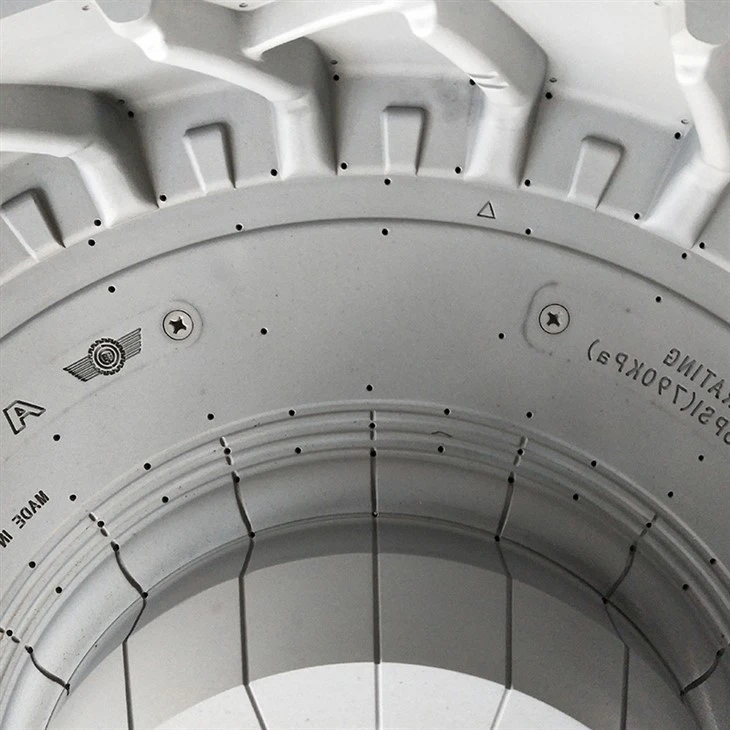
Recycling and reusing waste materials is also crucial. Scrap metal from machining operations can be recycled and used in the production of new molds or other metal products. Similarly, waste generated during surface treatment processes, such as coatings and plating, should be properly managed and recycled whenever possible.
5. Transportation Optimization
The transportation of two piece molds from the manufacturing facility to the end - users also contributes to the overall environmental impact. To minimize this, we can optimize our logistics and distribution processes. Consolidating shipments and using more fuel - efficient transportation modes, such as rail or sea freight for long - distance deliveries, can significantly reduce carbon emissions.
In addition, we can work closely with our customers to plan delivery schedules more effectively, reducing the number of empty return trips and improving the overall efficiency of the transportation process. By implementing these strategies, we can not only reduce the environmental impact but also lower transportation costs.
6. Product Design for Longevity and Adaptability
Designing two piece molds for longevity and adaptability is another effective way to minimize environmental impacts. By creating molds that can withstand a large number of production cycles, we can reduce the frequency of replacements and the associated waste generation. This can be achieved by using high - quality materials and advanced manufacturing techniques to ensure the durability of the molds.
Furthermore, designing molds with modular features allows for easy replacement of worn - out parts, extending the overall service life of the mold. This approach also provides flexibility, as the mold can be adapted to different production requirements, reducing the need for the production of multiple molds.
7. Environmental Management Systems
Implementing an environmental management system (EMS) is essential for a comprehensive approach to minimizing environmental impacts. An EMS provides a framework for setting environmental objectives, monitoring performance, and continuously improving environmental practices. By following internationally recognized standards such as ISO 14001, we can ensure that our operations are in line with best environmental practices.
Regular environmental audits can be conducted to assess the effectiveness of our environmental management strategies and identify areas for improvement. These audits can help in identifying potential environmental risks and implementing appropriate mitigation measures.
Our Product Range and Environmental Commitment
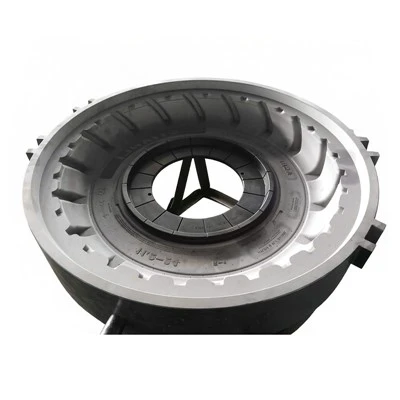
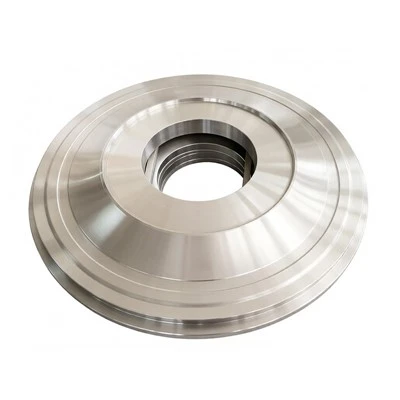
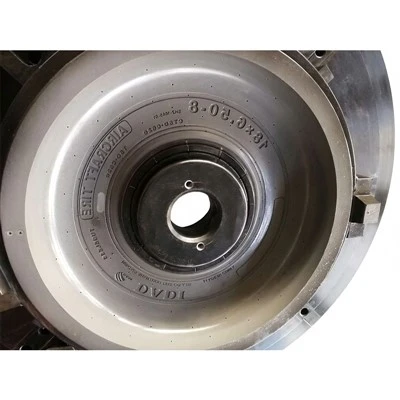
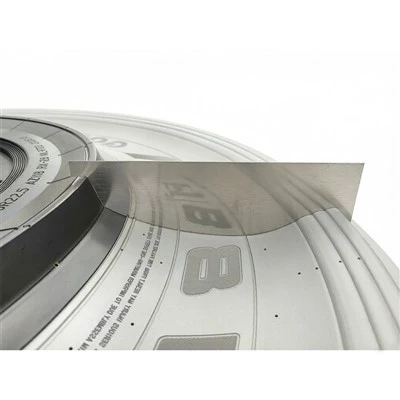
As a two piece mold supplier, we offer a wide range of high - quality molds, including Two Piece Agricultural Tire Mold, Off - Highway Engineering Tire Molds, Two Piece Aircraft Tire Mold, Two Piece OTR Giant Tire Mold, and Two Piece Implement Tire Mold. We are committed to integrating environmental considerations into every aspect of our product development and manufacturing processes.
Conclusion and Call to Action
Minimizing the environmental impacts of using two piece molds is a multifaceted challenge that requires a comprehensive and sustainable approach. By focusing on material selection, energy efficiency, water conservation, waste reduction, transportation optimization, product design, and environmental management systems, we can significantly reduce the environmental footprint of our operations.
We invite you to join us in our commitment to environmental sustainability. If you are interested in our two piece molds and would like to discuss your specific requirements, please reach out to us for a procurement consultation. We are dedicated to providing you with high - quality, environmentally friendly molds that meet your production needs.
References
- ISO 14001:2015 Environmental management systems — Requirements with guidance for use
- Steel Recycling Institute. "Benefits of Steel Recycling."
- International Energy Agency. "Energy Efficiency in Industry."