As a supplier of Two Piece Agricultural Tire Molds, I've witnessed firsthand the significant impact these molds have on the self - cleaning ability of agricultural tires. This blog post aims to explore the relationship between the two piece agricultural tire mold and the tire's self - cleaning properties, providing insights into the science and design considerations behind it.
Understanding the Two Piece Agricultural Tire Mold
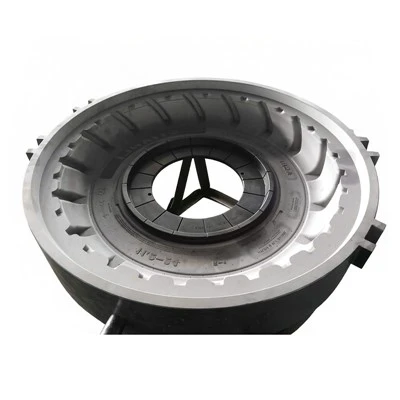
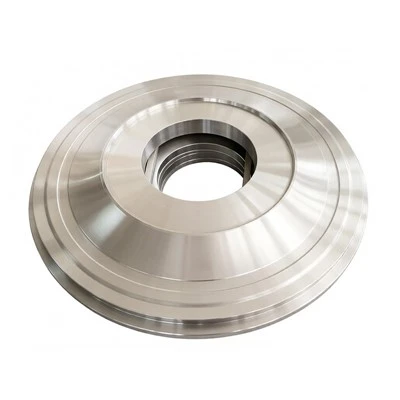
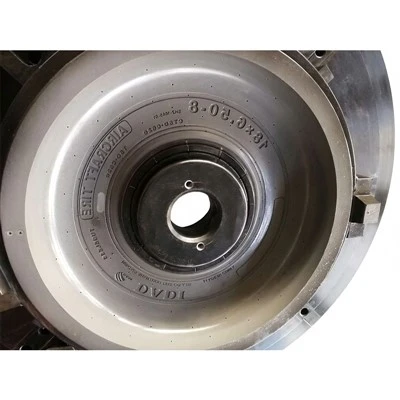
Two piece agricultural tire molds are specifically designed for manufacturing agricultural tires. The two - piece design offers several advantages in terms of production efficiency and tire quality. The mold is composed of an upper part and a lower part, which come together to form the shape of the tire during the vulcanization process.
There are different types of two piece agricultural tire molds available, each catering to specific tire applications. For instance, the Two Piece Tractor Tire Mold is engineered for tractor tires, which need to withstand heavy loads and rough terrains. The Two Piece Engineering Tire Mold is designed for engineering vehicles, offering enhanced durability and performance. The Off - Highway Engineering Tire Molds are suitable for vehicles operating off - the - road, where self - cleaning ability is crucial due to the presence of mud, dirt, and debris. The Two Piece Harvester Tire Mold is used for harvester tires, which require good traction and self - cleaning to ensure efficient harvesting operations. And the Two Piece Implement Tire Mold is tailored for implement tires used on various agricultural implements.
The Role of Mold Design in Tire Self - Cleaning Ability
Tread Pattern Formation
The mold plays a vital role in determining the tread pattern of the agricultural tire. A well - designed tread pattern is essential for good self - cleaning. The mold can create deep, wide grooves and unique lug designs. Deep grooves allow mud and dirt to be trapped and then ejected as the tire rotates. The width of the grooves also matters; wider grooves provide more space for the debris to accumulate and be easily removed. The shape of the lugs, such as their angle and width, can influence how the tire interacts with the ground and how effectively it can shed mud. For example, a V - shaped lug design can help channel mud outwards, enhancing the self - cleaning process.
Siping and Siping Density
Siping is the process of creating small slits in the tire tread. The two piece agricultural tire mold can be designed to incorporate siping. Siping not only improves traction but also contributes to self - cleaning. The small slits allow water, mud, and dirt to be dispersed more effectively. The density of siping also affects the self - cleaning ability. A higher siping density can provide more channels for the debris to escape, but it needs to be balanced with the structural integrity of the tread. If the siping is too dense, it may weaken the tread and reduce its durability.
Surface Finish of the Mold
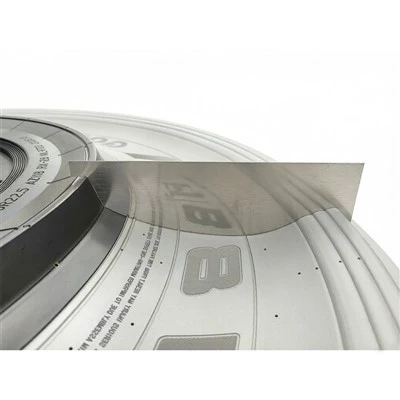
The surface finish of the two piece agricultural tire mold can influence the surface texture of the tire. A smooth mold surface can result in a tire with a relatively smooth surface, which may not be as effective in self - cleaning. On the other hand, a mold with a slightly roughened or textured surface can transfer that texture to the tire. This textured surface can help break the adhesion between the mud and the tire, making it easier for the mud to fall off as the tire rotates.
Manufacturing Precision and Self - Cleaning Ability
Uniformity of Tread Depth
The manufacturing precision of the two piece agricultural tire mold ensures the uniformity of the tread depth across the tire. Consistent tread depth is crucial for self - cleaning. If the tread depth varies significantly, mud may get stuck in the shallower areas and not be properly ejected. The mold's accuracy in creating a uniform tread depth allows the tire to perform consistently in terms of self - cleaning.


Alignment and Balance
Proper alignment and balance of the tire are also affected by the mold. A well - made two piece mold ensures that the tire is formed symmetrically. An unbalanced tire may not rotate smoothly, which can affect the self - cleaning process. When the tire rotates unevenly, the forces acting on the tread are not distributed evenly, and mud may not be ejected as effectively.
Impact on Different Agricultural Terrains
Muddy Terrains
In muddy terrains, the self - cleaning ability of agricultural tires is of utmost importance. Tires made with well - designed two piece agricultural tire molds can quickly shed the accumulated mud. The deep grooves and appropriate tread patterns created by the mold prevent the mud from packing in the treads, allowing the tire to maintain good traction. Without proper self - cleaning, the tire would become clogged with mud, reducing its effectiveness and increasing the fuel consumption of the vehicle.
Sandy and Loose Soils
On sandy and loose soils, the design of the tire from the two piece mold helps in preventing the sand from compacting in the treads. The wide grooves and open tread patterns allow the sand to flow through and out of the tire, maintaining the tire's grip on the ground. This is crucial for the stability and maneuverability of agricultural vehicles in these types of terrains.
Rocky Terrains
In rocky terrains, the self - cleaning ability also plays a role. The mold - made tires need to be able to remove small rocks and debris that may get stuck in the treads. A well - designed mold can create a tread pattern that allows the rocks to be dislodged easily, reducing the risk of damage to the tire and ensuring continued performance.
Conclusion
The two piece agricultural tire mold has a profound influence on the tire's self - cleaning ability. Through careful design of the tread pattern, siping, and surface finish, as well as maintaining high manufacturing precision, we can produce tires that are highly effective in self - cleaning across various agricultural terrains.
If you are in the market for high - quality two piece agricultural tire molds that can enhance the self - cleaning ability of your tires, we are here to provide you with top - notch solutions. Our expertise and experience in manufacturing these molds ensure that you will get the best products for your agricultural tire production needs. Contact us for more information and to start a procurement discussion.
References
- Smith, J. (2018). Tire Design and Manufacturing. Automotive Engineering Press.
- Johnson, A. (2019). Agricultural Tire Technology. Agricultural Machinery Journal.