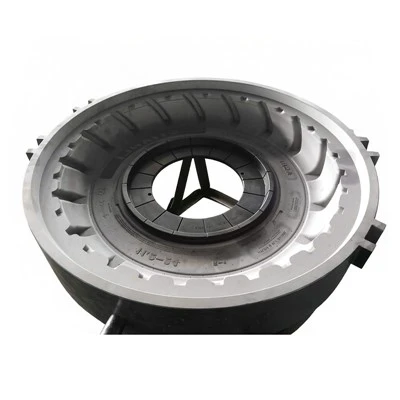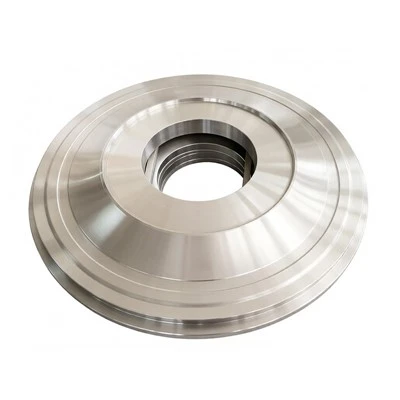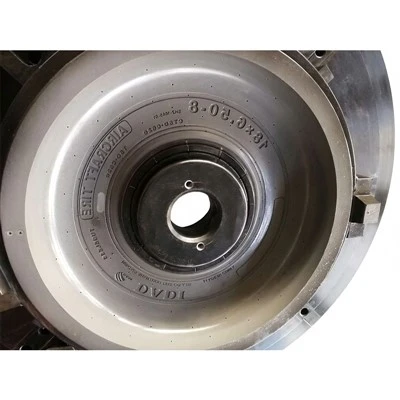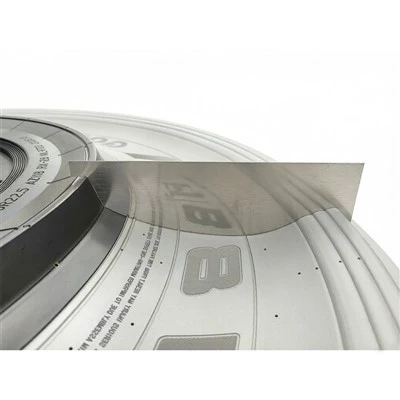
Hey there! As a supplier of All - Steel Light Truck Tire Molds, I've seen firsthand how important it is to keep these molds in top - notch condition. In this blog, I'm gonna share some tips on how to maintain all - steel light truck tire molds.
Regular Cleaning
One of the most basic yet crucial steps in mold maintenance is regular cleaning. After each use, you should clean the tire molds thoroughly. Residues from the tire manufacturing process, like rubber compounds and additives, can build up on the mold surfaces over time. This buildup not only affects the quality of the tires produced but can also lead to premature wear of the mold.
For daily cleaning, a mild detergent and warm water can be used. Make sure to use a soft - bristle brush to avoid scratching the mold's surface. You can gently scrub the mold's cavities, grooves, and other detailed areas. After scrubbing, rinse it off with clean water and dry it completely using a clean, lint - free cloth.
If there are stubborn residues that can't be removed with the mild detergent, you might need to use a specialized mold cleaner. But be careful! Some cleaners can be harsh and might damage the mold if not used correctly. Always follow the manufacturer's instructions when using these cleaners.
Inspection
Regular inspections are a must. You should check the molds for any signs of wear, damage, or corrosion. Look closely at the edges, corners, and the areas where the mold segments meet. Even the tiniest crack or chip can cause issues in the tire production process, such as uneven tire surfaces or air bubbles.
Inspect the vent holes carefully. These holes are essential for allowing air to escape during the tire molding process. If they get clogged with rubber or other debris, it can lead to poor - quality tires. Use a small, thin tool, like a wire or a dental pick, to clear any blockages gently.
Also, pay attention to the alignment of the mold segments. Any misalignment can result in tires with inconsistent dimensions. You can use alignment gauges to check if the segments are properly lined up and make adjustments if necessary.
Lubrication
Lubrication is another key aspect of mold maintenance. Proper lubrication helps to reduce friction between the moving parts of the mold, which in turn reduces wear and tear. It also makes it easier to open and close the mold during the tire - making process.
Use a high - quality lubricant that is specifically designed for tire molds. Apply the lubricant to the areas where there is movement, such as the guide pins, slides, and the mating surfaces of the mold segments. Follow the recommended frequency of lubrication, which typically depends on how often the mold is used.
Storage
When the molds are not in use, proper storage is crucial. Store the molds in a clean, dry, and well - ventilated area. Moisture can cause rust and corrosion on the steel molds, which can significantly reduce their lifespan.
You can cover the molds with a protective plastic film or a rust - preventive coating to further protect them from environmental factors. Make sure the molds are stored in a stable position to prevent any damage from accidental bumps or falls.
Temperature and Humidity Control
The environment where the molds are used and stored plays a big role in their maintenance. Extreme temperatures and high humidity can have a negative impact on the molds.
High temperatures can cause the steel to expand, which might lead to misalignment or warping of the mold. On the other hand, low temperatures can make the steel more brittle and prone to cracking. Try to keep the temperature in the production and storage areas within a stable range.


High humidity can accelerate the corrosion process. Use dehumidifiers in the storage area if necessary to keep the humidity levels under control.
Handling
How you handle the molds can also affect their longevity. Always use proper lifting equipment when moving the molds to avoid dropping or damaging them. Specialized lifting slings and cradles are designed to distribute the weight evenly and prevent any stress on the mold.
When mounting and dismounting the molds on the molding machine, follow the correct procedures. Incorrect mounting can cause damage to the mold's mounting surfaces and internal components.
Professional Maintenance and Repairs
Even with the best preventive maintenance, there may come a time when the molds need professional repairs. If you notice any major damage or if the mold is not performing as it should, don't try to fix it yourself unless you have the necessary expertise.
Hire a professional mold repair service. They have the right tools and knowledge to diagnose and fix complex problems. Professional repairs can extend the life of the mold and ensure that it continues to produce high - quality tires.
Our Product Range
We're a leading supplier of All - Steel Light Truck Tire Molds, and we also offer a wide variety of other tire molds, such as the Conical-Surface Commercial Vehicle Tire Mold, Slanted-Plane Commercial Vehicle Tire Mold, Radial Aircraft Tire Mold, Segment Type Radial Tire Mold, and Cone Guide Segment Radial Tire Mold. All our molds are made with high - quality steel and are designed to meet the strictest industry standards.
Contact Us for Purchase and Negotiation
If you're in the market for high - quality tire molds or need more information on mold maintenance, don't hesitate to get in touch with us. We're here to help you find the best solutions for your tire manufacturing needs. Proper maintenance of your tire molds is essential for producing top - quality tires and maximizing your production efficiency. So why wait? Reach out to us today and let's start a great business relationship.
References
- "Tire Mold Maintenance Basics", Tire Manufacturing Journal
- "Best Practices for Steel Mold Care", Industrial Mold Magazine
- "The Impact of Environment on Tire Molds", Mold Technology Review