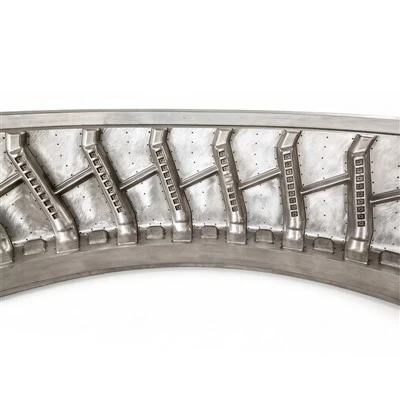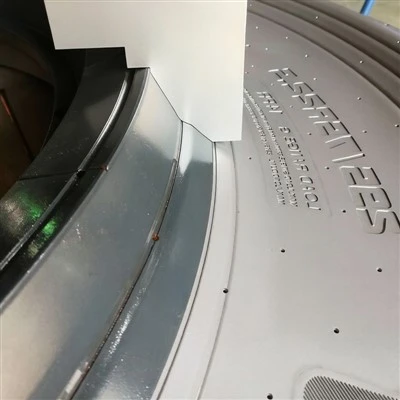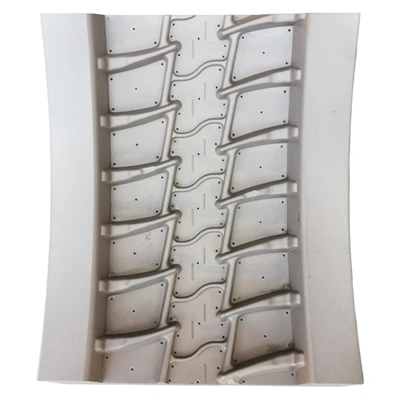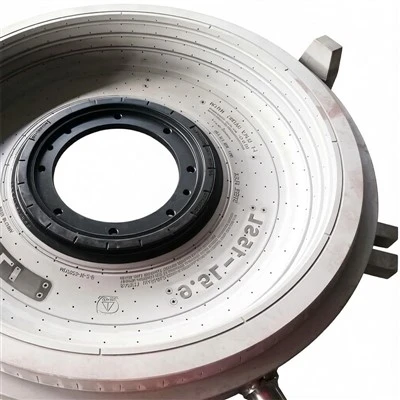
Hey there! As a supplier of Cone Guide Radial Aircraft Tire Molds, I've been getting a lot of questions lately about how to ensure the concentricity of these molds. It's a crucial aspect, and I'm here to share some insights with you.
First off, let's understand why concentricity matters. In the world of aircraft tire manufacturing, precision is key. A cone guide radial aircraft tire mold that lacks proper concentricity can lead to a whole bunch of problems. The tires produced might have uneven wear, reduced performance, and even safety issues. So, getting that concentricity right is a must.
1. High - Precision Manufacturing Process
The journey to ensuring concentricity starts right at the manufacturing stage. We use state - of - the - art machining equipment. Computer Numerical Control (CNC) machines are our go - to. These machines can cut and shape the mold components with extremely high precision. The cutting tools on CNC machines are programmed to move in very specific paths, which helps in creating parts that are as close to the design specifications as possible.
For example, when machining the cone guide part of the mold, the CNC machine follows a pre - determined path to ensure that the cone's center is exactly where it should be. Any deviation at this stage can have a cascading effect on the overall concentricity of the mold. We also use advanced measuring tools during the manufacturing process. Coordinate Measuring Machines (CMMs) are used to check the dimensions of the machined parts. These machines can accurately measure the position and size of different features on the mold components, allowing us to make adjustments if needed.
2. Quality Materials
The materials we choose for the cone guide radial aircraft tire mold also play a significant role in ensuring concentricity. We use high - quality steel alloys that have excellent mechanical properties. These materials are heat - treated to achieve the right hardness and toughness. A mold made from a sub - standard material can deform over time, which can lead to a loss of concentricity.
For instance, if the steel used in the mold is too soft, it might get dented or warped during the tire manufacturing process. On the other hand, if it's too hard, it could be brittle and crack. We carefully select materials that can withstand the high pressures and temperatures involved in tire vulcanization without losing their shape. This way, the mold maintains its concentricity throughout its lifespan.
3. Assembly Techniques
Once the individual components of the mold are manufactured, the assembly process is where we really put the pieces together to ensure concentricity. We use specialized jigs and fixtures during assembly. These jigs are designed to hold the components in the correct position relative to each other. For example, when assembling the cone guide and the other parts of the mold, the jigs ensure that the centerlines of all the components are aligned.


We also have a team of experienced technicians who are well - trained in mold assembly. They follow strict assembly procedures and use torque wrenches to ensure that all the bolts and fasteners are tightened to the correct specifications. Over - tightening or under - tightening can cause misalignment of the components, which can affect concentricity.
4. Regular Maintenance and Inspection
Even after a well - manufactured and assembled mold is put into use, regular maintenance and inspection are essential to maintain concentricity. We recommend that our customers have a maintenance schedule in place. This includes cleaning the mold regularly to remove any rubber residues or contaminants that could build up and affect the mold's performance.
Inspection is also crucial. We suggest using advanced non - destructive testing methods, such as ultrasonic testing. This method can detect any internal defects or cracks in the mold that might not be visible to the naked eye. If any issues are found during the inspection, they can be addressed promptly. For example, if a small crack is detected, it can be repaired before it grows and causes a loss of concentricity.
5. Calibration and Adjustment
Periodic calibration of the mold is necessary to ensure that it continues to maintain the required concentricity. We provide calibration services to our customers. During calibration, we use precision instruments to measure the concentricity of the mold. If the measurements show that the concentricity is off, we can make adjustments.
These adjustments can involve realigning the components, adjusting the fit of the parts, or even making minor modifications to the mold. We have a team of experts who are skilled in making these adjustments to ensure that the mold is back to its optimal performance.
Now, if you're in the market for high - quality Cone Guide Radial Aircraft Tire Molds, you might also be interested in some of our other products. We offer All Steel Radial Light Truck Tire Mold, All - Steel Light Truck Tire Molds, Radial Engineering Tire Mold, Cone Guide Radial Engineering Tire Mold, and Segment Type Radial Tire Mold.
If you're looking to improve your tire manufacturing process or just want to have a chat about how our molds can meet your needs, please reach out to us. We're always happy to discuss your requirements and provide you with the best solutions.
References
- "Principles of Tire Manufacturing" - Smith, J., 2018.
- "Advanced Machining Techniques for Mold Making" - Brown, A., 2019.
- "Material Selection in Tool and Die Making" - Green, C., 2020.