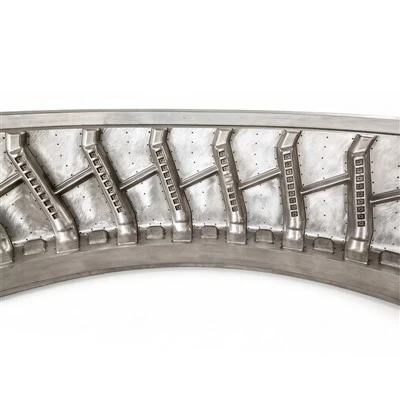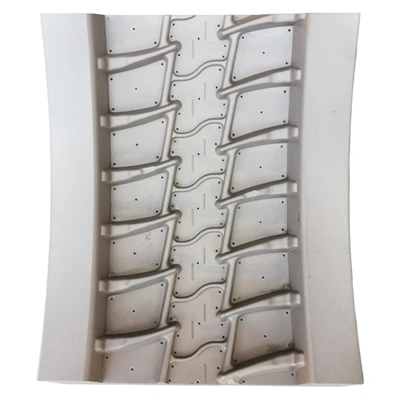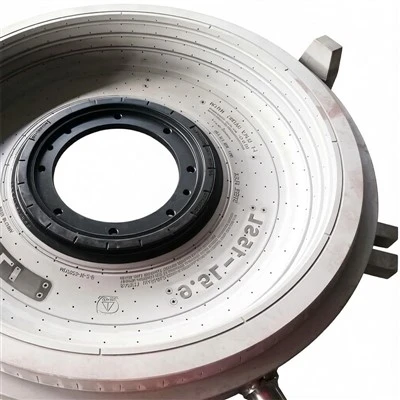
As a supplier of Radial Aircraft Tire Molds, I'm constantly exploring the market and technological trends to understand the development prospects of this specialized product. In this blog, I'll delve into various aspects that influence the future of radial aircraft tire molds, including market demand, technological advancements, and competitive landscape.
Market Demand
The aviation industry has been on a continuous growth trajectory over the past few decades. With the increasing number of air travelers and the expansion of airline fleets worldwide, the demand for aircraft tires is also rising steadily. This growing demand for aircraft tires directly translates into a positive outlook for radial aircraft tire molds.
Commercial aviation is a major driver of this demand. Airlines are continuously looking to expand their operations, replace aging aircraft, and add new routes. As a result, aircraft manufacturers are ramping up production, which in turn increases the need for high - quality tires. For example, Boeing and Airbus, the two leading aircraft manufacturers, have long - term production plans that involve delivering hundreds of new aircraft each year. These new aircraft require a significant number of tires, and the production of these tires depends on efficient and precise radial aircraft tire molds.
In addition to commercial aviation, the military aviation sector also contributes to the demand for aircraft tires and molds. Military aircraft often operate under more extreme conditions than commercial ones, requiring specialized tires with enhanced performance characteristics. The development of new military aircraft and the modernization of existing fleets drive the need for advanced radial aircraft tire molds that can produce tires capable of withstanding high - speed landings, heavy loads, and harsh environments.
The growth of the aviation maintenance, repair, and overhaul (MRO) industry is another factor. As aircraft age, their tires need to be replaced regularly. The MRO sector ensures the safe and efficient operation of the existing aircraft fleet, and a large portion of their work involves tire replacement. This creates a continuous aftermarket demand for aircraft tires, which further boosts the demand for radial aircraft tire molds.
Technological Advancements
Technology plays a crucial role in shaping the development prospects of radial aircraft tire molds. Over the years, there have been significant advancements in materials, manufacturing processes, and mold design, which have improved the quality and performance of the molds.
Materials: The use of advanced materials in mold manufacturing has enhanced the durability and precision of radial aircraft tire molds. For instance, high - strength alloys and special steels are now commonly used. These materials can withstand the high pressures and temperatures involved in the tire - molding process, reducing wear and tear and extending the service life of the molds. Additionally, some advanced materials have better heat - transfer properties, which can improve the curing process of the tires, resulting in better tire quality.
Manufacturing Processes: The adoption of advanced manufacturing processes, such as computer - numerical - control (CNC) machining and 3D printing, has revolutionized the production of radial aircraft tire molds. CNC machining allows for precise and complex shaping of the mold components, ensuring that the tires produced have accurate dimensions and surface finishes. 3D printing, on the other hand, offers the possibility of rapid prototyping and the production of customized molds. It can reduce the lead time for mold production and enable the creation of molds with unique geometries that were previously difficult or impossible to manufacture.
Mold Design: The design of radial aircraft tire molds has also evolved significantly. Modern molds are designed with features that improve tire performance, such as better tread patterns, improved sidewall designs, and enhanced bead configurations. Computational fluid dynamics (CFD) and finite element analysis (FEA) are used to optimize the mold design, ensuring that the tires have good handling, traction, and durability. These design improvements not only meet the current requirements of the aviation industry but also anticipate future needs.
Competitive Landscape
The market for radial aircraft tire molds is competitive, with several established players and new entrants vying for market share. However, this competition also drives innovation and improvement in product quality and service levels.
Established mold manufacturers have the advantage of brand recognition, extensive experience, and a large customer base. They often have well - developed production facilities and a proven track record of delivering high - quality molds. On the other hand, new entrants may bring in fresh perspectives and innovative technologies. For example, some start - up companies are focusing on developing more environmentally friendly and cost - effective mold production methods.
In this competitive environment, suppliers need to differentiate themselves through product quality, technological innovation, and customer service. As a supplier, we strive to offer high - performance radial aircraft tire molds that meet or exceed industry standards. Our molds are designed with the latest technologies and manufacturing processes, ensuring precision and durability. We also provide comprehensive after - sales services, including mold maintenance and repair, to ensure our customers can operate their tire - production facilities smoothly.
Our Product Range
We offer a wide range of high - quality tire molds, not just limited to radial aircraft tire molds. Our product portfolio includes:


- All Steel Radial Truck Tire Mold: Designed for the production of high - performance truck tires, these molds ensure precise tread patterns and excellent tire quality.
- Conical - Surface Commercial Vehicle Tire Mold: Ideal for commercial vehicle tires, these molds feature a conical - surface design that improves tire performance and durability.
- Cone Guide Radial Aircraft Tire Mold: Specifically engineered for radial aircraft tires, these molds incorporate advanced cone - guide technology for better tire shaping and performance.
- Radial Engineering Tire Mold: Suitable for engineering vehicles, these molds are designed to produce tires that can withstand heavy loads and harsh working conditions.
- Radial Aircraft Tire Mold: Our flagship product, these molds are precision - engineered to meet the strict requirements of the aviation industry, ensuring the production of high - quality aircraft tires.
Conclusion and Call to Action
The development prospects for radial aircraft tire molds are promising, driven by the growing demand in the aviation industry, technological advancements, and a competitive market environment. As a supplier, we are committed to staying at the forefront of innovation, continuously improving our products and services to meet the evolving needs of our customers.
If you are in the market for high - quality radial aircraft tire molds or any of our other tire - mold products, we invite you to contact us for procurement discussions. We look forward to the opportunity to work with you and contribute to the success of your tire - production operations.
References
- Aviation Industry Forecast Reports from IATA and Boeing
- Research Papers on Tire Mold Materials and Manufacturing Technologies
- Market Analysis Reports on the Global Tire Mold Industry