In the realm of tire manufacturing, molds play a pivotal role in shaping the final product. Among the various types of molds, the Two Piece Agricultural Tire Mold stands out due to its specific design and application. As a supplier of Two Piece Agricultural Tire Molds, I am often asked about the special handling requirements for these molds. In this blog post, I will delve into the unique aspects of handling these molds, ensuring that manufacturers can make the most of their investment.
Understanding the Two Piece Agricultural Tire Mold
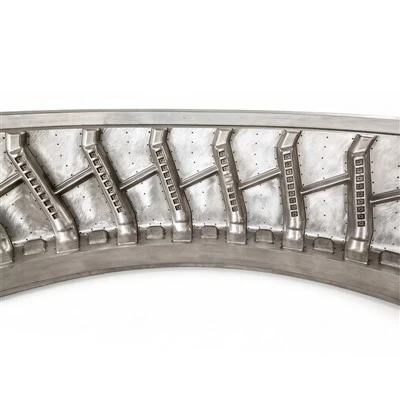
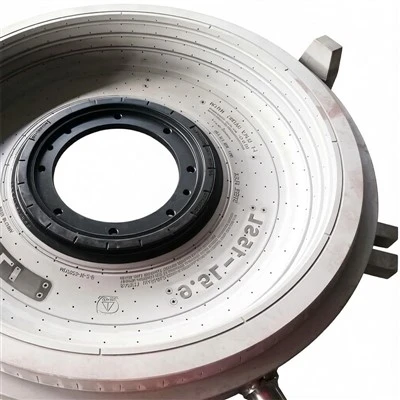
Before we discuss the handling requirements, it is essential to understand the nature of the Two Piece Agricultural Tire Mold. These molds are specifically designed for the production of agricultural tires, which are used in a variety of farming applications. The two - piece design allows for easy assembly and disassembly, facilitating the molding process. The mold is typically made from high - quality steel to ensure durability and precision in tire production.
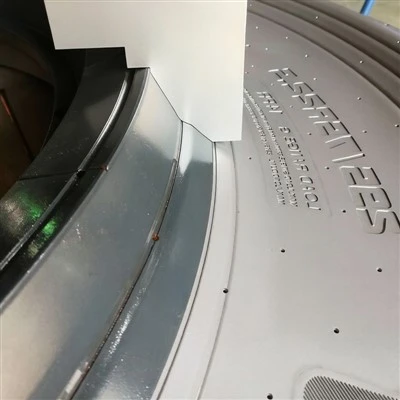
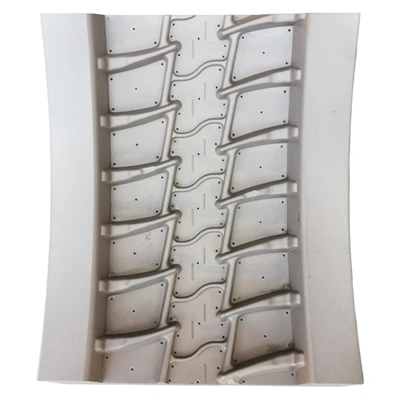
The Two Piece Agricultural Tire Mold is engineered to withstand the high pressures and temperatures involved in the tire - molding process. It also has a detailed pattern on its inner surface, which is transferred to the tire during molding, giving the tire its unique tread design for better traction on agricultural terrains.
Special Handling Requirements
Storage
Proper storage is the first step in ensuring the longevity of Two Piece Agricultural Tire Molds. These molds should be stored in a dry and clean environment. Moisture can cause rusting on the steel surface of the mold, which can affect its performance and the quality of the tires produced. A humidity - controlled storage facility is ideal.
The molds should be stored in an upright position to prevent any deformation. If they are stacked, appropriate padding should be used between the molds to avoid scratches and damage. Additionally, the molds should be covered to protect them from dust and other contaminants.
Transportation
When transporting Two Piece Agricultural Tire Molds, special care must be taken. They are heavy and bulky items, so a suitable transportation vehicle with proper securing mechanisms is required. Straps or chains should be used to firmly secure the molds in place during transit to prevent any movement that could cause damage.
The vehicle should also be equipped to handle the weight of the molds. For long - distance transportation, it is advisable to use a flat - bed truck with shock - absorbing features to minimize the impact of bumps and vibrations on the molds.


Cleaning
Regular cleaning is crucial for maintaining the performance of Two Piece Agricultural Tire Molds. After each use, the molds should be cleaned to remove any residual rubber or other contaminants. A non - abrasive cleaning agent should be used to avoid scratching the surface of the mold.
The cleaning process should be carried out in a well - ventilated area. Specialized cleaning tools, such as brushes and scrapers designed for mold cleaning, can be used. After cleaning, the molds should be thoroughly dried to prevent rusting.
Inspection
Frequent inspections are necessary to detect any signs of wear or damage early. Before each use, a visual inspection should be carried out to check for cracks, dents, or any other visible defects. The mold's alignment and the integrity of its locking mechanisms should also be inspected.
Periodically, a more in - depth inspection should be carried out by a professional. This may involve using non - destructive testing methods, such as ultrasonic testing, to detect any internal defects that may not be visible to the naked eye.
Assembly and Disassembly
The assembly and disassembly of Two Piece Agricultural Tire Molds require precision. The two pieces should be aligned correctly to ensure a proper fit. Special tools may be required for tightening the bolts or other fastening mechanisms.
During assembly, it is important to follow the manufacturer's instructions carefully. Any misalignment or improper tightening can lead to uneven tire production and may even damage the mold. When disassembling the mold, the same level of care should be taken to avoid any damage to the mold components.
Comparison with Other Types of Two - Piece Molds
It is interesting to note how the handling requirements of Two Piece Agricultural Tire Molds compare with other types of two - piece molds, such as the Two Piece Aircraft Tire Mold, Off - Highway Engineering Tire Molds, Two Piece Engineering Tire Mold, and Two Piece Earthmover Engineering Tire Mold.
While all these molds share some common handling requirements, such as proper storage and cleaning, there are also differences. For example, aircraft tire molds need to meet extremely high precision and safety standards due to the critical nature of aircraft tires. They may require more stringent inspection procedures and specialized handling techniques.
Off - highway engineering tire molds, on the other hand, are designed for heavy - duty applications. They are often larger and heavier than agricultural tire molds, which means that transportation and storage may pose different challenges.
Importance of Special Handling
Proper handling of Two Piece Agricultural Tire Molds is of utmost importance. Firstly, it ensures the quality of the tires produced. A damaged or poorly maintained mold can lead to defects in the tires, such as uneven tread wear, poor traction, or even structural weaknesses.
Secondly, it extends the lifespan of the mold. By following the special handling requirements, manufacturers can avoid premature wear and damage, which in turn reduces the need for frequent mold replacements. This can result in significant cost savings in the long run.
Conclusion
In conclusion, the Two Piece Agricultural Tire Mold has specific handling requirements that need to be carefully followed. From storage and transportation to cleaning, inspection, and assembly, each step plays a crucial role in maintaining the mold's performance and ensuring the quality of the tires produced.
If you are in the market for high - quality Two Piece Agricultural Tire Molds or have any questions about their handling and maintenance, feel free to reach out for a detailed discussion. We are here to provide you with the best solutions and support for your tire - manufacturing needs.
References
- ASTM International. (20XX). Standard practices for handling and storage of industrial molds. ASTM.
- Machinery's Handbook. (20XX). Industrial Press Inc.