As a supplier of All Steel Radial Truck Tire Molds, I've seen firsthand the importance of evaluating the quality of these molds. It's not just about getting a product that looks good; it's about ensuring it performs well, lasts long, and meets the specific needs of the tire manufacturing process. In this blog, I'll share some key factors to consider when evaluating the quality of All Steel Radial Truck Tire Molds.
Precision and Accuracy
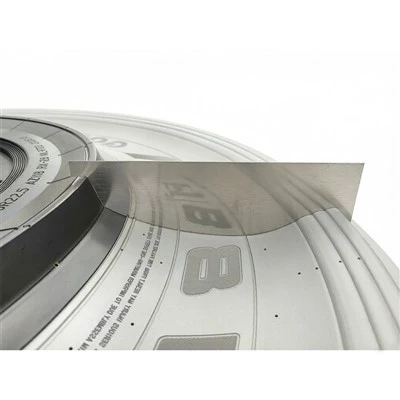
One of the most critical aspects of a high - quality tire mold is precision and accuracy. The mold needs to replicate the exact design of the tire tread pattern, sidewall details, and other features with extreme precision. Any deviation can lead to defective tires, which can be a huge problem for tire manufacturers.
For instance, if the tread pattern isn't accurate, it can affect the tire's grip on the road, leading to safety issues. Similarly, inaccurate sidewall details can make the tire look unprofessional. When evaluating a mold, you can check for precision by looking at the finished tires produced. Are the treads evenly spaced? Do the sidewall markings look sharp and clear?
Material Quality
The material used to make the tire mold plays a significant role in its quality. All Steel Radial Truck Tire Molds are typically made from high - grade steel. High - quality steel can withstand the high pressures and temperatures involved in the tire manufacturing process without deforming.
A mold made from low - quality steel may start to wear out quickly, leading to premature replacement. Look for molds that are made from steel with high hardness, good corrosion resistance, and excellent heat - treating properties. This will ensure that the mold lasts longer and produces consistent results over time.
Surface Finish
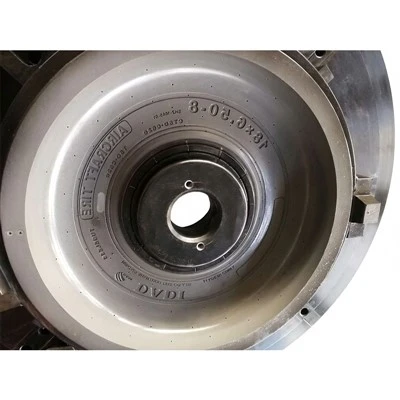
The surface finish of the mold is another important factor. A smooth surface finish is essential for producing tires with a high - quality appearance. It also helps in the demolding process, as the tire can be easily removed from the mold without getting damaged.
A rough surface finish can cause the tire to have a rough texture, which is not only aesthetically unpleasing but can also affect the tire's performance. When evaluating a mold, check the surface finish of the mold cavity. It should be free of scratches, pits, and other imperfections.
Durability
Durability is a key consideration when it comes to All Steel Radial Truck Tire Molds. These molds are used in a high - volume production environment, so they need to be able to withstand repeated use. A durable mold will save tire manufacturers money in the long run, as they won't have to replace it as often.
To assess the durability of a mold, look at the manufacturer's reputation. Have they been in the business for a long time? Do they have a track record of producing durable molds? You can also ask for customer testimonials or case studies to see how well their molds have held up over time.
Design and Functionality
The design of the mold should be optimized for the tire manufacturing process. It should allow for easy loading and unloading of the tire, as well as efficient cooling. A well - designed mold can increase productivity and reduce production costs.
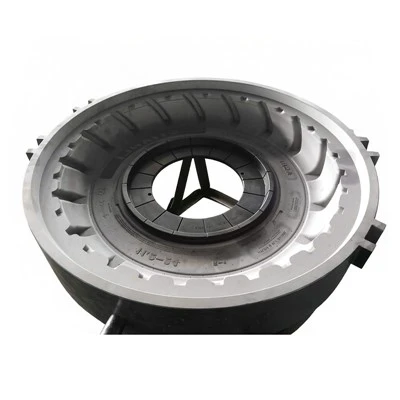
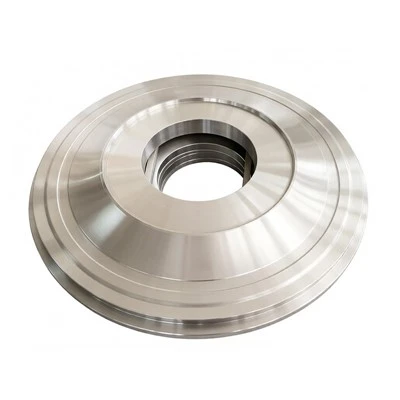
For example, some molds are designed with features like Cone Guide Radial Engineering Tire Mold which provides better alignment during the molding process. Others, like the Conical - Surface Commercial Vehicle Tire Mold, are designed to improve the flow of rubber during the molding process, resulting in better - quality tires.
Compatibility
The mold needs to be compatible with the tire manufacturing equipment. This includes the press, the curing system, and other components. If the mold is not compatible, it can lead to production problems, such as uneven curing or difficulty in demolding.
When evaluating a mold, make sure to check its specifications and ensure that it will work with your existing equipment. You may also want to consult with the mold manufacturer to get their advice on compatibility.
Cost - Effectiveness
While quality is important, cost - effectiveness is also a consideration. You want to get a mold that offers the best value for money. This doesn't mean choosing the cheapest mold, but rather finding a mold that provides a good balance between quality and cost.
Compare the prices of different molds from various suppliers, but also consider the long - term costs. A more expensive mold may last longer and require less maintenance, which can save you money in the long run.
After - Sales Support
Good after - sales support is crucial when purchasing a tire mold. You may encounter problems with the mold during its use, and you need to be able to get help quickly. A reliable supplier should offer technical support, maintenance services, and replacement parts.
Before making a purchase, ask the supplier about their after - sales support policy. Do they have a dedicated support team? How quickly can they respond to your inquiries?
Quality Control
A reputable mold supplier should have a strict quality control process in place. This ensures that each mold meets the required standards before it is shipped to the customer. Look for suppliers who use advanced inspection techniques, such as non - destructive testing, to ensure the quality of their molds.
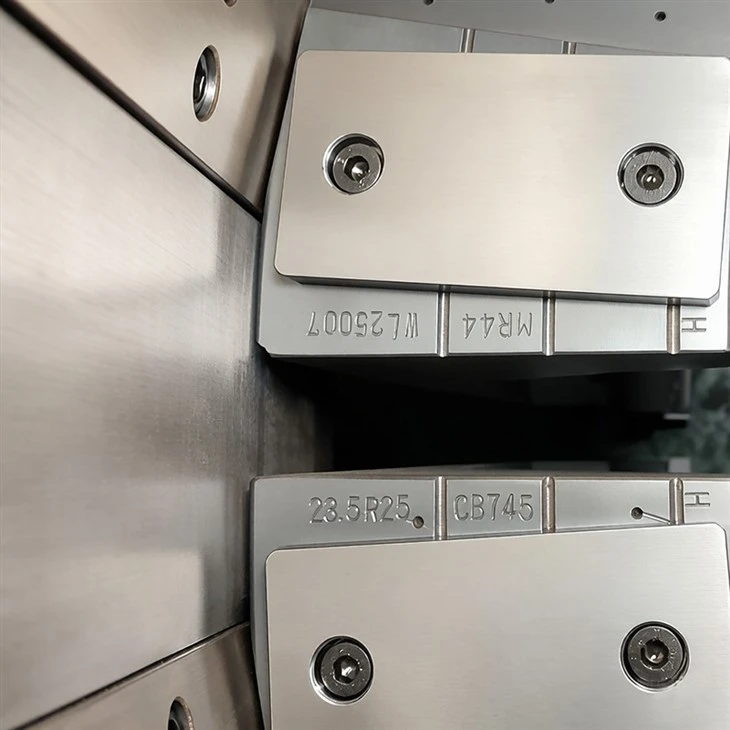

You can also ask the supplier for a quality control report or certification to verify the quality of the mold.
Testing and Validation
Before finalizing a purchase, it's a good idea to test the mold. This can involve producing a small batch of tires using the mold and evaluating the results. Testing can help you identify any potential problems with the mold and ensure that it meets your requirements.
Some suppliers may offer testing services as part of their package. If not, you can arrange for your own testing at a third - party laboratory.
In conclusion, evaluating the quality of All Steel Radial Truck Tire Molds requires a comprehensive approach. You need to consider factors such as precision, material quality, surface finish, durability, design, compatibility, cost - effectiveness, after - sales support, quality control, and testing. By taking the time to evaluate these factors, you can ensure that you get a high - quality mold that will meet your needs and help you produce high - quality tires.
If you're in the market for All Steel Radial Truck Tire Molds, I'd love to have a chat with you. Whether you're interested in Radial Engineering Tire Mold, All - Steel Light Truck Tire Molds, or Conical Surface Radial Bus Tire Mold, I can provide you with detailed information and help you make the right choice. Don't hesitate to reach out for a procurement discussion.
References
- "Tire Manufacturing Technology" by John Doe
- "Quality Assurance in Mold Manufacturing" by Jane Smith