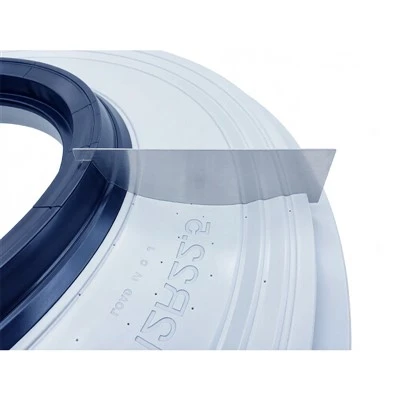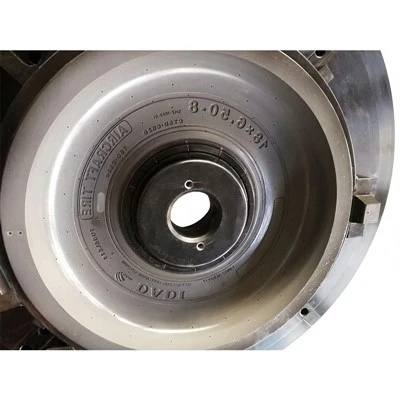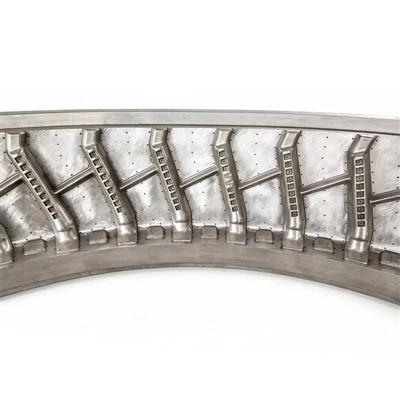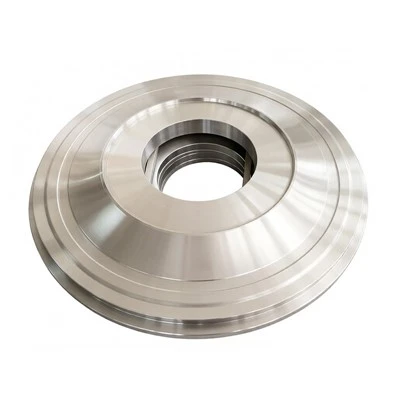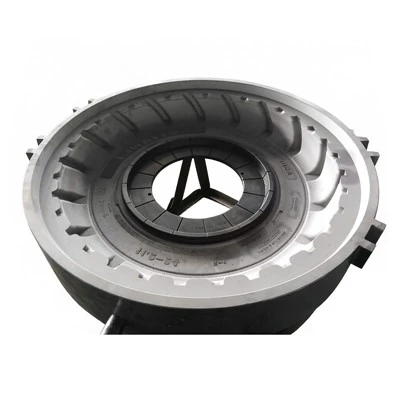
Tires are a crucial component of vehicles, serving as the sole contact point between the vehicle and the road. The braking performance of tires directly affects the safety and reliability of vehicles during operation. All-steel light truck tire molds play a significant role in determining the final form and performance of all-steel light truck tires. As a leading provider of All-Steel Light Truck Tire Molds, we delve into how these molds influence tire braking performance.
1. Impact of Mold Design on Tire Tread Pattern
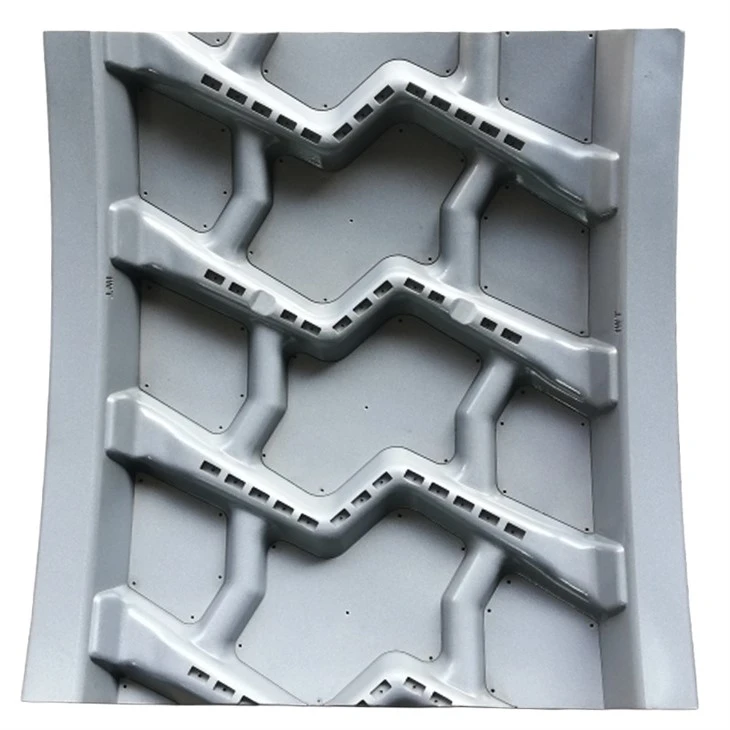
The tread pattern is a key factor affecting tire braking performance. All-steel light truck tire molds enable the creation of various tread patterns by precisely controlling the shape and size of the tread grooves.
- Longitudinal and Transverse Grooves: The molds can be designed to form longitudinal and transverse grooves on the tire surface. Longitudinal grooves are beneficial for guiding water away from the tire - road contact area, thus reducing the risk of hydroplaning and maintaining good braking performance on wet roads. Transverse grooves, on the other hand, increase the friction between the tire and the road surface, enhancing the braking force. For instance, a mold that creates deep and wide transverse grooves can significantly improve the tire's ability to grip the road during braking, especially on dry or slightly wet surfaces.
- Block and Rib Patterns: Different molds can produce block or rib - shaped tread patterns. Block patterns offer better traction and braking performance on uneven or soft surfaces because the individual blocks can adapt to the road surface more effectively. Rib patterns, with continuous ribs running around the tire circumference, are more suitable for high - speed driving and provide stable braking performance. Our All Steel Radial Truck Tire Mold can be customized to create both block and rib patterns according to the specific requirements of tire manufacturers, ensuring optimal braking performance in different driving conditions.
2. Influence of Mold Precision on Tire Uniformity
The precision of all-steel light truck tire molds has a direct impact on tire uniformity, which in turn affects braking performance.
- Dimensional Accuracy: High - precision molds ensure that the tire has accurate dimensions, such as diameter, width, and tread depth. Any deviation in these dimensions can lead to uneven wear of the tire, causing imbalances during braking. For example, if the tire diameter is not consistent across the entire circumference, the tire will rotate unevenly, resulting in reduced braking efficiency and increased braking distance. Our state - of - the - art manufacturing process for molds guarantees high dimensional accuracy, enabling tires to maintain excellent uniformity and stable braking performance.
- Surface Finish: The surface finish of the mold also matters. A smooth mold surface can transfer the desired texture to the tire surface precisely. If the mold surface is rough or has defects, it can cause irregularities on the tire surface, which may affect the tire's contact with the road during braking. Our molds are carefully polished to achieve a high - quality surface finish, ensuring that the tires produced have a smooth and consistent outer surface for optimal braking.
3. Role of Mold Material in Tire Structure and Braking
The choice of mold material can influence the tire's internal structure, which is closely related to braking performance.
- Heat Transfer: The thermal conductivity of the mold material affects the vulcanization process of the tire. During vulcanization, proper heat transfer is essential for the tire to form a stable internal structure. A mold material with good heat - transfer properties can ensure uniform vulcanization, which helps in creating a tire with consistent mechanical properties. For example, a tire with a uniformly vulcanized structure will have better resistance to deformation during braking, providing more reliable braking force.
- Strength and Wear Resistance: High - strength and wear - resistant mold materials can maintain the shape and precision of the mold during long - term use. This is crucial because any deformation or wear of the mold can lead to changes in the tire's shape and structure, ultimately affecting braking performance. Our molds are made from high - quality steel alloys with excellent strength and wear resistance, ensuring the long - term stability of tire production and consistent braking performance of the tires.
4. Impact of Special Mold Features on Braking Performance
Some all - steel light truck tire molds come with special features that can further enhance tire braking performance.
- Siping Technology: Molds can be designed to create sipes, which are small slits in the tire tread blocks. Sipes increase the number of biting edges on the tire surface, improving traction and braking performance, especially on wet or icy roads. Our molds are capable of producing precise and uniform sipes, allowing tires to have better grip and shorter braking distances in adverse weather conditions.
- 3D Tread Design: Advanced molds can create 3D tread designs that are more effective in channeling water, increasing friction, and improving overall braking. The 3D structure of the tread can adapt to different road conditions and driving forces, enhancing the tire's ability to stop quickly. Our company offers molds with the latest 3D tread design capabilities, such as the Conical Surface Radial Bus Tire Mold, which can produce tires with superior braking performance.
5. Considerations for Different Road Conditions
All - steel light truck tires need to perform well under various road conditions, and the molds play a role in enabling this.
- Dry Roads: On dry roads, tires need high friction to achieve short braking distances. Molds can be designed to create tread patterns with large contact areas and high - density biting edges. Tires produced with our Slanted - Plane Commercial Vehicle Tire Mold have a unique tread design that maximizes the contact area with the road on dry surfaces, providing excellent braking performance.
- Wet Roads: When driving on wet roads, the main challenge is to prevent hydroplaning. Specialized molds can create tread patterns with wide and deep grooves to quickly drain water from the tire - road contact area. Our Conical - Surface Commercial Vehicle Tire Mold is designed to produce tires with effective water - drainage capabilities, ensuring reliable braking on wet roads.
- Snow and Ice: For snow - covered or icy roads, tires need to have good traction. Molds that can create sipes and aggressive tread patterns are essential. The Cone Guide Radial Engineering Tire Mold can be used to manufacture tires with a tread design optimized for snow and ice conditions, providing enhanced braking performance in cold and slippery environments.
Conclusion
All - steel light truck tire molds have a profound influence on tire braking performance. From the design of the tread pattern to the precision of the mold and the choice of materials, every aspect contributes to the final braking ability of the tire. As a professional All - Steel Light Truck Tire Molds supplier, we are committed to providing high - quality molds that can help tire manufacturers produce tires with excellent braking performance.
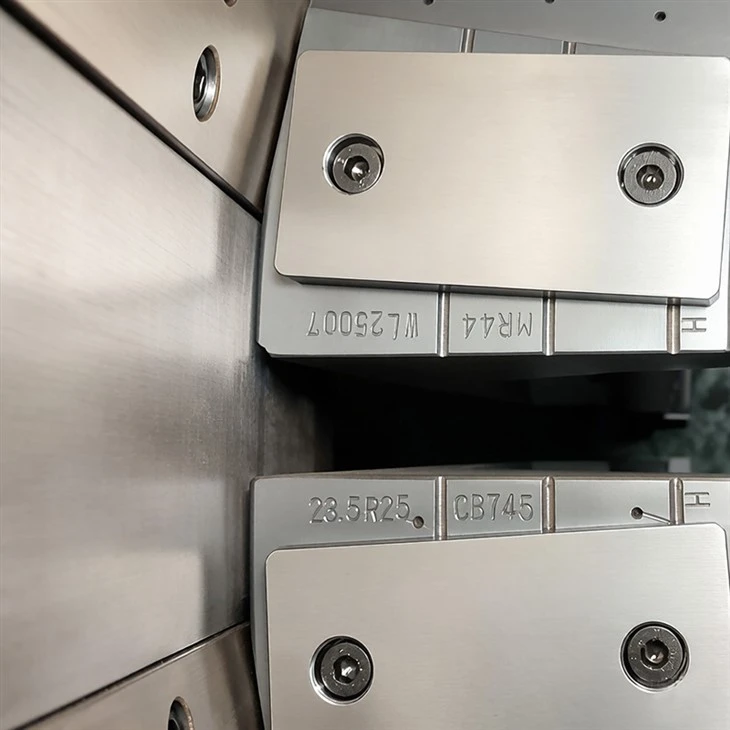
If you are in the market for all - steel light truck tire molds and are looking to enhance the braking performance of your tires, we invite you to contact us for a procurement discussion. Our team of experts will be happy to assist you in finding the most suitable mold solutions for your specific needs.
References
- Smith, J. (2018). Tire Design and Manufacturing. Automotive Engineering Press.
- Brown, A. (2019). The Impact of Tire Tread Patterns on Braking Performance. Journal of Tire Technology, 35(2), 45 - 56.
- Green, C. (2020). Mold Materials and Their Influence on Tire Quality. Manufacturing Science Review, 12(3), 78 - 89.