Hey there! I'm a supplier of special structure molds, and I know how crucial it is to boost the assembly efficiency of these unique molds. In this blog, I'll share some practical tips and insights based on my hands - on experience in the industry.
Understanding Special Structure Molds
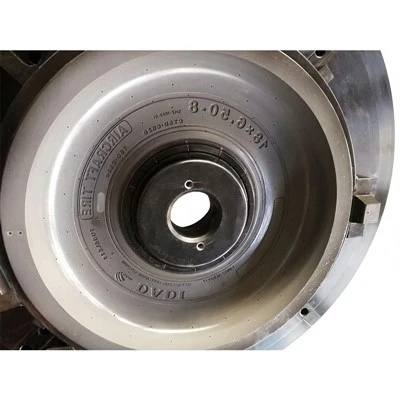
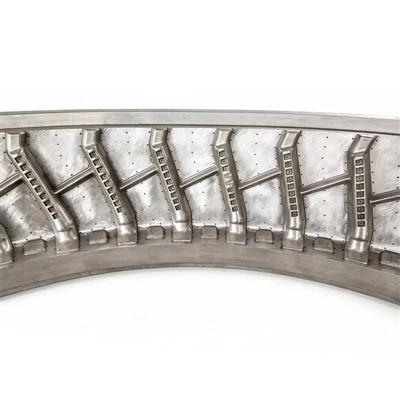
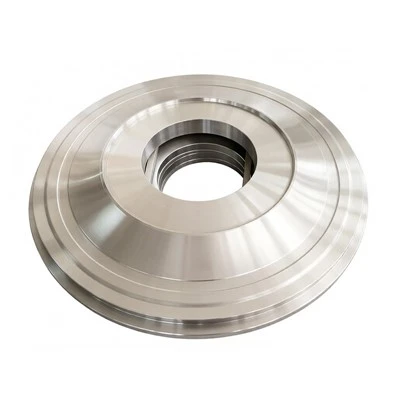
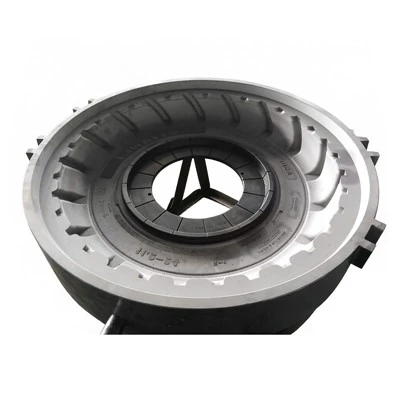
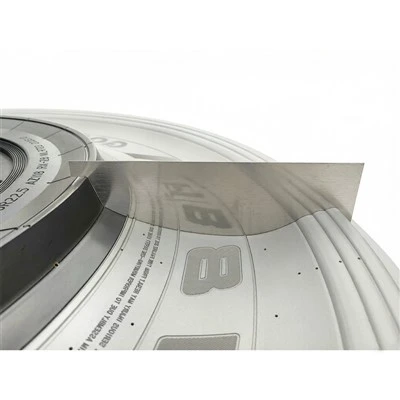
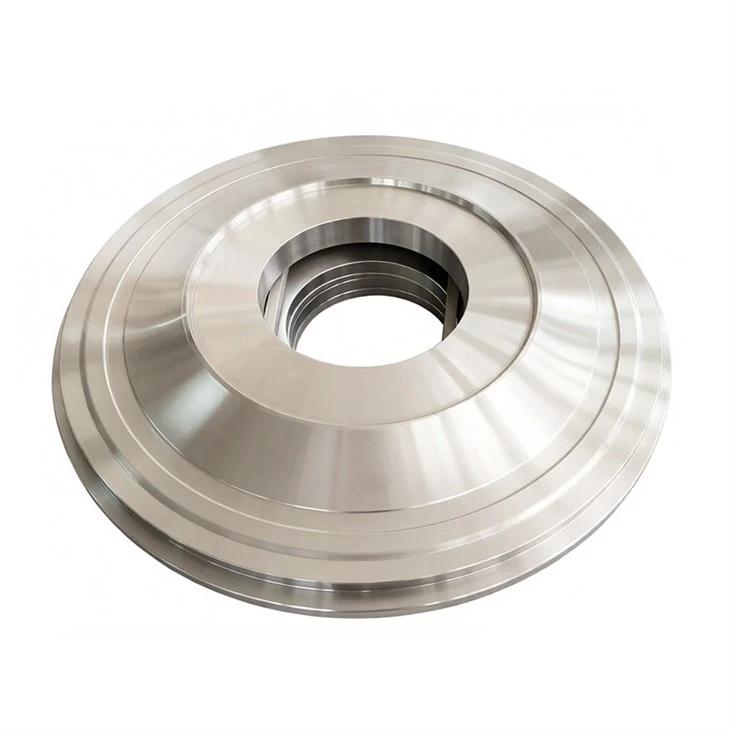
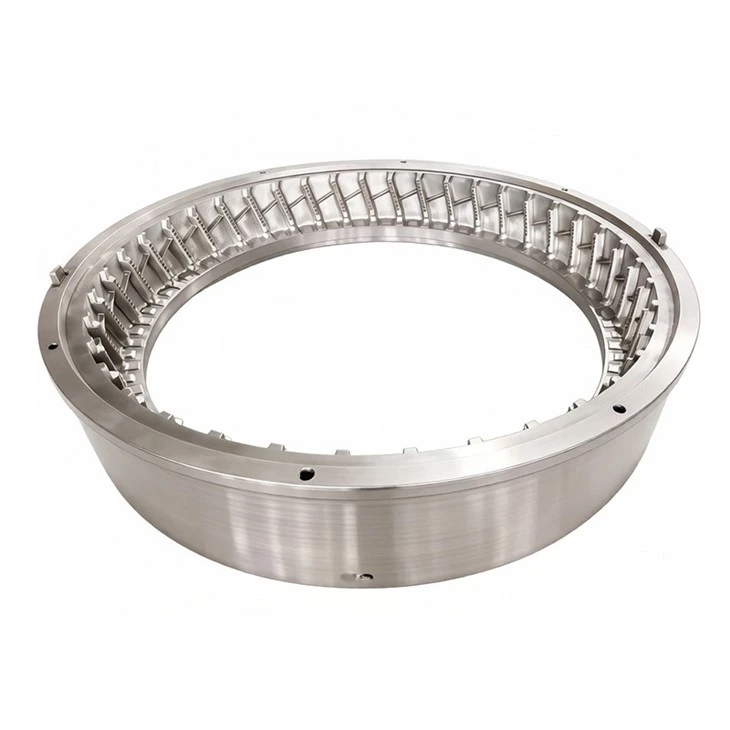
First off, let's talk a bit about special structure molds. They're not your run - of - the - mill molds. Special structure molds, like the Two - Piece Mold Pattern Block and Hybrid Mold with Detachable Segments, are designed for specific applications. They often have complex geometries, multiple components, and require precise alignment during assembly.
The complexity of these molds means that traditional assembly methods might not cut it. We need to think outside the box and come up with strategies that can speed up the process without sacrificing quality.
Pre - assembly Planning
One of the most important steps in improving assembly efficiency is pre - assembly planning. Before you even start putting the mold together, take the time to study the design thoroughly. Make a detailed list of all the components, their functions, and the order in which they need to be assembled.
Create a visual layout or a flowchart that outlines the assembly process. This will help everyone on the team understand the sequence and reduce the chances of errors. You can also use 3D modeling software to simulate the assembly process. This way, you can identify any potential issues or bottlenecks in advance and make the necessary adjustments.
For example, if you know that a particular component needs to be installed at a specific angle, you can mark the alignment points on the mold base during the planning phase. This will save a lot of time during the actual assembly.
Training and Skill Development
Your assembly team is the heart of the operation. Investing in their training and skill development is essential for improving efficiency. Provide regular training sessions on the latest assembly techniques, safety procedures, and the use of specialized tools.
Encourage your workers to share their experiences and ideas. They're the ones on the front lines, and they might have some great insights on how to streamline the process. You can also organize skill competitions or challenges to keep them motivated and engaged.
For instance, you could set up a time - based assembly challenge for a particular mold type. The team that completes the assembly the fastest and with the highest quality can win a small prize. This not only boosts morale but also helps identify areas where further training might be needed.
Tool and Equipment Optimization
Using the right tools and equipment can make a world of difference in assembly efficiency. Make sure your team has access to high - quality, specialized tools that are designed for working with special structure molds.
Regularly maintain and calibrate your tools to ensure they're in optimal condition. Dull or misaligned tools can slow down the assembly process and lead to poor - quality results. Consider investing in automated or semi - automated equipment for repetitive tasks.
For example, a robotic arm can be used to pick and place small components with high precision and speed. This can significantly reduce the time it takes to assemble a complex mold. You can also use laser alignment systems to ensure accurate positioning of components, which eliminates the need for manual measurements and adjustments.
Standardization and Modular Design
Standardizing the design of your special structure molds can greatly improve assembly efficiency. Identify common components or sub - assemblies that can be used across different mold designs. This reduces the number of unique parts that need to be manufactured and stocked, and it also simplifies the assembly process.
Adopt a modular design approach, where the mold is divided into smaller, self - contained modules. Each module can be assembled independently and then integrated into the final mold. This allows for parallel assembly, which can save a lot of time.
For example, if you have a mold with multiple cavities, you can design each cavity as a separate module. The modules can be assembled simultaneously by different teams, and then combined to form the complete mold.
Quality Control during Assembly
Quality control isn't something that should happen only at the end of the assembly process. It should be integrated into every step of the way. Set up checkpoints at critical stages of the assembly process to ensure that each component is installed correctly.
Use inspection tools such as calipers, micrometers, and coordinate measuring machines (CMMs) to verify the dimensions and alignment of the components. If a problem is detected early, it can be corrected immediately, preventing costly rework later on.
For instance, after installing a key component, take a quick measurement to make sure it's within the specified tolerance. If it's not, you can adjust it right away instead of waiting until the entire mold is assembled and then having to disassemble it to fix the issue.
Communication and Collaboration
Effective communication and collaboration within your team are vital for improving assembly efficiency. Make sure everyone involved in the assembly process is on the same page. Hold regular team meetings to discuss progress, challenges, and solutions.
Use a shared digital platform to store and share assembly instructions, design files, and inspection reports. This ensures that everyone has access to the latest information and reduces the chances of miscommunication.
For example, if a worker encounters a problem during assembly, they can quickly post it on the platform. Other team members can then offer suggestions or solutions, and the issue can be resolved in a timely manner.
Continuous Improvement
The journey to improving assembly efficiency doesn't end. Continuously monitor and analyze your assembly process. Collect data on assembly times, defect rates, and worker productivity. Use this data to identify areas for improvement and implement changes.
Encourage a culture of continuous improvement within your organization. Reward employees for coming up with innovative ideas to streamline the assembly process. Regularly review and update your assembly procedures based on the lessons learned.
For example, if you notice that a particular step in the assembly process is taking longer than expected, you can conduct a root - cause analysis to find out why. Maybe it's due to a faulty tool or a lack of proper training. Once you identify the cause, you can take steps to address it.
Conclusion
Improving the assembly efficiency of special structure molds is a multi - faceted challenge. It requires careful planning, skilled workers, the right tools, and a commitment to continuous improvement. By implementing the strategies I've discussed in this blog, you can significantly reduce assembly times, improve quality, and increase your overall productivity.
If you're in the market for high - quality special structure molds or want to discuss how we can further optimize your assembly process, I'd love to hear from you. Reach out to us for a friendly chat and let's see how we can work together to meet your needs.
References
- Industry - specific best - practice guides on mold assembly.
- Technical manuals from tool and equipment manufacturers.
- Internal records and data on past mold assembly projects.