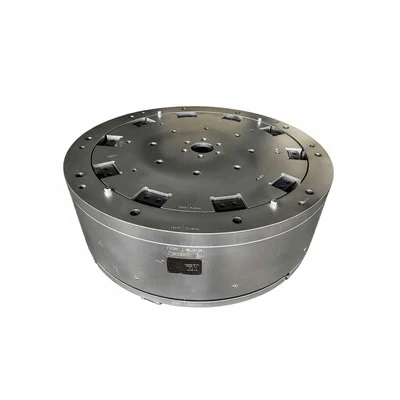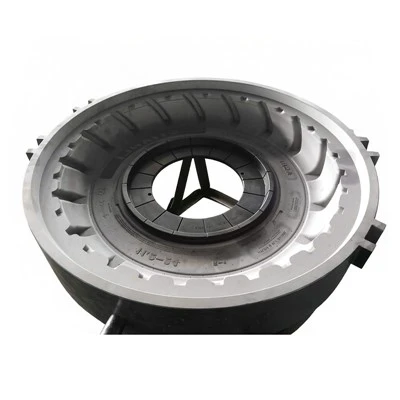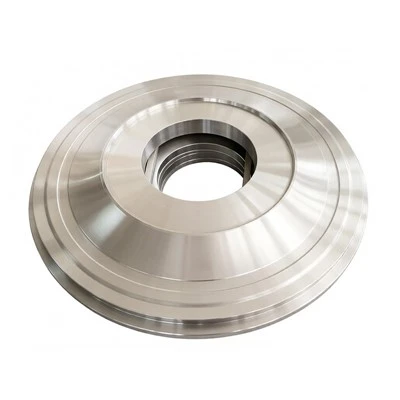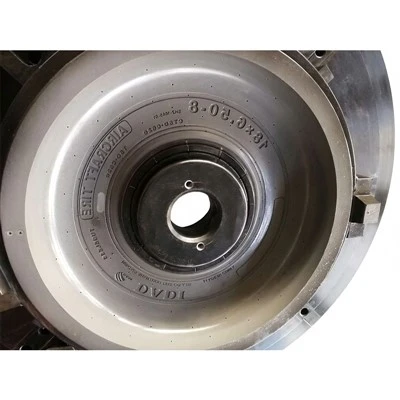
As a seasoned supplier of Cone Guide Radial Aircraft Tire Mold, I've noticed that many customers often inquire about the ideal frequency of replacing these crucial molds. This topic is of utmost importance as it directly impacts the quality of aircraft tires. Tires are vital for the safety of aircraft, and using well - maintained and appropriately replaced molds is essential to ensure tire integrity. In this blog post, I aim to delve into the factors that determine the replacement frequency of cone guide radial aircraft tire molds and provide some insights for our valued customers.
Factors Affecting the Replacement Frequency
1. Usage Intensity
The most obvious factor that affects the replacement frequency of tire molds is the intensity of usage. In the aircraft industry, high - traffic airlines or military operations that rely heavily on a large fleet of aircraft will subject their tire molds to more frequent use. For example, in a commercial airline hub where numerous flights take off and land daily, the production volume of aircraft tires is significantly higher. This means the molds are pressed into service more often, leading to faster wear and tear.
When a mold is used repeatedly, the constant pressure, heat, and friction during the tire manufacturing process gradually degrade its surface. The grooves and patterns on the mold, which are crucial for imparting the correct tread design to the tire, start to lose their sharpness. As a result, after a certain number of production cycles, the quality of the tires produced begins to decline. Depending on the usage intensity, molds in high - volume production environments may need to be replaced every 1,000 - 3,000 production cycles.
2. Tire Design Complexity
The complexity of the tire design also plays a significant role in determining the replacement frequency of the molds. Aircraft tires can have a wide range of designs, from simple tread patterns for light aircraft to highly complex ones with advanced siping and siping angles for large commercial airliners.
Molds for complex tire designs are more prone to damage. The intricate patterns require more detailed machining and are more likely to experience stress concentration during the molding process. For instance, a radial aircraft tire with a complex multi - layer tread design and fine - tuned siping will require a mold with equally complex internal features. These features are more vulnerable to abrasion and deformation. As a consequence, molds for complex tire designs may need to be replaced more frequently, perhaps every 500 - 2,000 production cycles depending on the exact design.
3. Material Quality of the Mold
The quality of the material used in manufacturing the cone guide radial aircraft tire mold is a fundamental factor. High - quality materials, such as advanced tool steels with excellent hardness, wear resistance, and heat resistance properties, can significantly extend the lifespan of the mold.
Molds made from premium materials can withstand the harsh conditions of the tire manufacturing process better. They resist corrosion, maintain their shape under high pressure and temperature, and have a lower tendency to chip or break. On the other hand, lower - quality materials may start to show signs of wear after a relatively small number of production cycles. For molds made from high - end materials, they can be used for 3,000 - 5,000 production cycles or even more before replacement, while those made from average materials may need replacement after 1,000 - 2,500 cycles.
4. Maintenance and Care
Proper maintenance and care can greatly influence the replacement frequency of the molds. Regular cleaning, inspection, and minor repairs can help to extend the life of the molds. For example, after each production cycle, the mold should be thoroughly cleaned to remove any remaining rubber residue, which can corrode the mold surface over time.
Inspections should be carried out periodically to detect early signs of wear, such as cracks or surface roughness. Minor repairs, like re - machining the worn - out areas or applying anti - wear coatings, can be done to restore the mold's functionality. Airlines or tire manufacturers that implement strict maintenance schedules can slow down the degradation of the molds and may only need to replace them every 2,500 - 4,000 production cycles, even in moderate - usage scenarios.


Importance of Timely Replacement
Timely replacement of cone guide radial aircraft tire molds is crucial for several reasons. Firstly, it ensures the safety of aircraft operations. Worn - out molds can produce tires with sub - standard tread patterns and structural integrity. These tires may have reduced traction on the runway, poor handling characteristics, and are more likely to experience blowouts during takeoff or landing.
Secondly, it helps to maintain the reputation of tire manufacturers and airlines. High - quality tires are a sign of reliability and excellence in the aviation industry. By using well - maintained and appropriately replaced molds, manufacturers can produce tires that meet or exceed industry standards, which in turn enhances their brand image.
Finally, timely replacement can also be cost - effective in the long run. Although the initial investment in a new mold is significant, using a worn - out mold can lead to higher production waste, lower tire quality, and potential safety - related costs. By replacing the mold at the right time, manufacturers can optimize their production efficiency and reduce overall costs.
Our Range of Tire Molds
In addition to the Cone Guide Radial Aircraft Tire Mold, we also offer a wide variety of other high - quality tire molds. For example, our All - Steel Light Truck Tire Molds are designed to meet the specific needs of light truck tire production. They are made from high - grade steel and are engineered to produce tires with excellent durability and performance.
Our Radial Aircraft Tire Mold is another popular product. It is suitable for a range of aircraft tire sizes and designs, providing flexibility for different production requirements. The Conical Surface Radial Bus Tire Mold is designed for bus tires, offering precise molding and high - quality tread replication. And our Radial Engineering Tire Mold is ideal for the production of engineering tires used in heavy - duty construction and mining applications.
Conclusion
Determining the frequency of replacing cone guide radial aircraft tire molds is a complex process that depends on multiple factors such as usage intensity, tire design complexity, material quality of the mold, and maintenance and care. By understanding these factors, tire manufacturers and airlines can make informed decisions about mold replacement, ensuring the safety and performance of aircraft tires.
If you are in the market for high - quality tire molds or have any questions about mold replacement frequency, we would be more than happy to assist you. Our team of experts has extensive experience in the tire mold industry and can provide you with personalized solutions based on your specific needs. Please don't hesitate to contact us for further discussions on buying and replacing various tire molds.
References
- Aircraft Tire Manufacturing and Technology Handbook. 20XX Edition.
- Study on the Wear Mechanism of Tire Molds in High - Intensity Production Environments. Journal of Tire Engineering. Vol. XX, Issue XX.
- Best Practices for Maintaining and Replacing Tire Molds in the Aviation Industry. Aviation Manufacturing Review. 20XX.