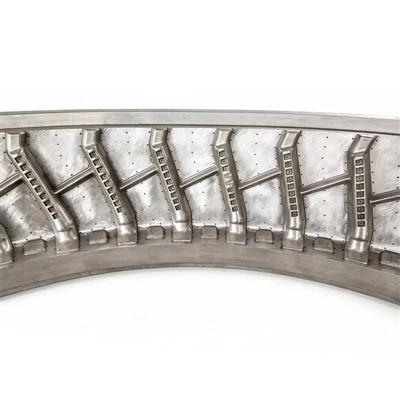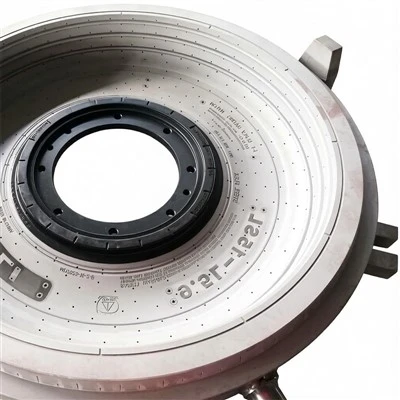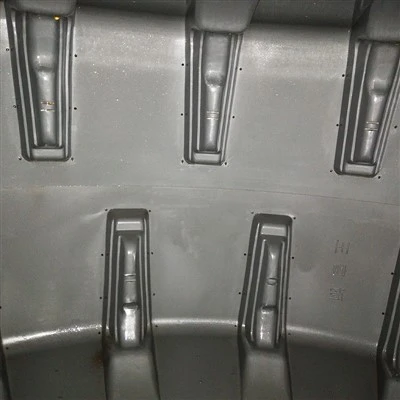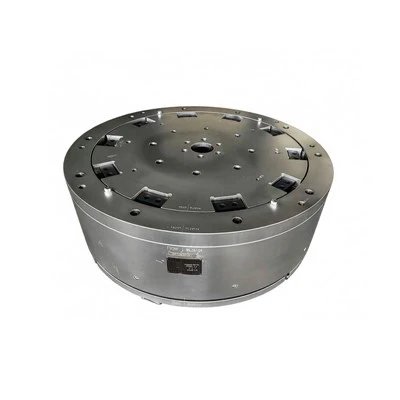
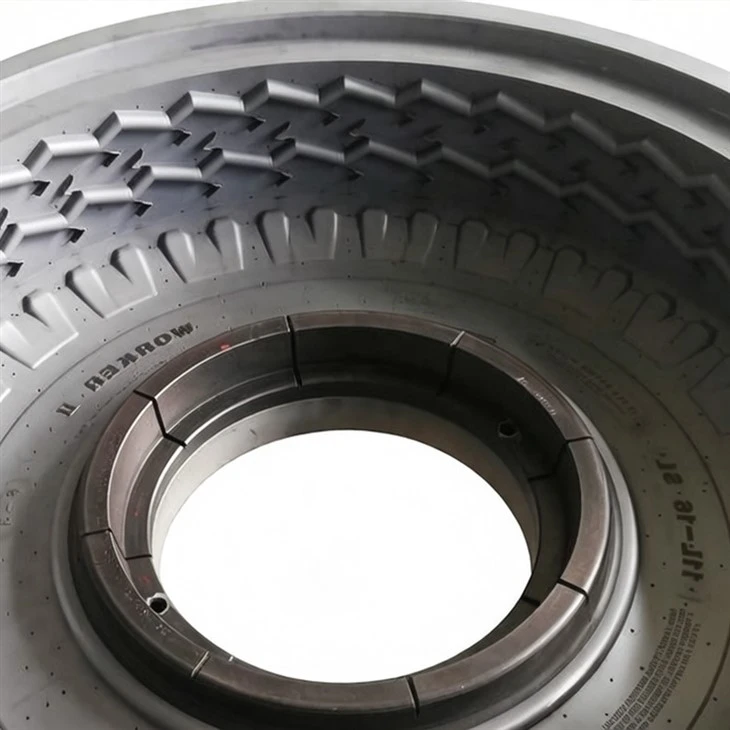
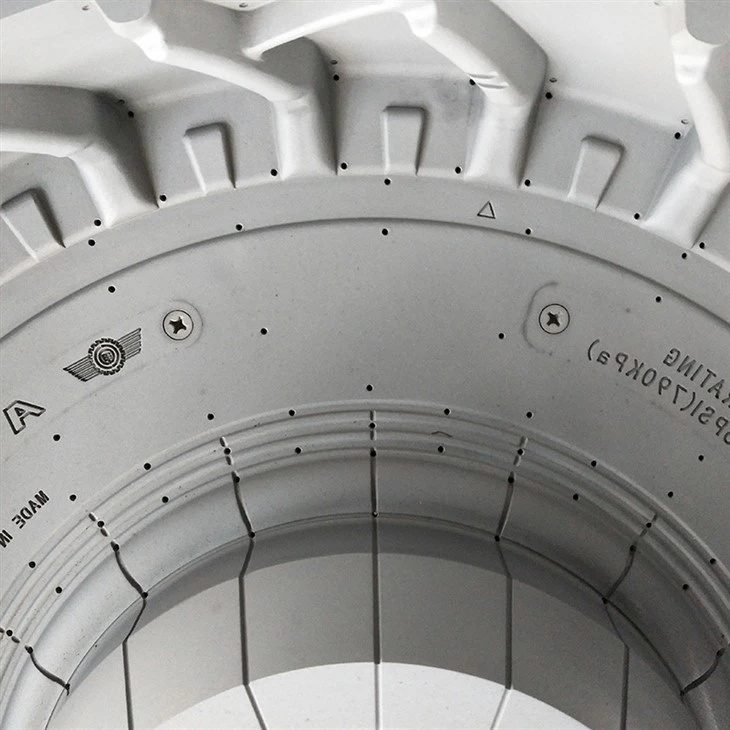
As a supplier of Two Piece OTR Giant Tire Molds, I've often been asked about the heat resistance of these molds. It's a crucial factor, especially considering the harsh conditions these molds operate in. Let's dive deep into what heat resistance means for Two Piece OTR Giant Tire Molds and why it's so important.
Understanding the Basics of Heat Resistance
Heat resistance refers to the ability of a material to withstand high temperatures without significant degradation in its physical or chemical properties. In the context of Two Piece OTR Giant Tire Molds, this means that the mold can maintain its shape, strength, and surface finish while being exposed to the high temperatures required for tire vulcanization.
During the tire manufacturing process, the mold is subjected to extreme heat. Vulcanization, the process of converting rubber into a more durable material by adding sulfur or other curatives, typically occurs at temperatures between 140°C to 180°C (284°F to 356°F). These high temperatures are necessary to ensure that the rubber cures properly and develops the desired physical properties, such as elasticity, strength, and wear resistance.
Why Heat Resistance Matters for Two Piece OTR Giant Tire Molds
The heat resistance of Two Piece OTR Giant Tire Molds is of utmost importance for several reasons. Firstly, it ensures the quality of the tires produced. If the mold cannot withstand the high temperatures, it may warp or deform, leading to defective tires with uneven surfaces or incorrect dimensions. This can result in a significant waste of materials and time and can also damage the reputation of the tire manufacturer.
Secondly, heat resistance affects the lifespan of the mold. Molds that can withstand high temperatures without degradation will last longer, reducing the frequency of mold replacements. This not only saves costs for the tire manufacturer but also improves the overall efficiency of the production process.
Thirdly, heat resistance is closely related to the energy efficiency of the tire manufacturing process. Molds with good heat resistance can transfer heat more efficiently to the rubber during vulcanization, reducing the time and energy required for the process. This can lead to significant cost savings for the tire manufacturer.
Materials Used in Two Piece OTR Giant Tire Molds
The heat resistance of Two Piece OTR Giant Tire Molds largely depends on the materials used in their construction. Commonly used materials include steel and alloy steel.
Steel is a popular choice for tire molds due to its high strength, durability, and relatively good heat resistance. It can withstand the high temperatures and pressures involved in the tire manufacturing process without significant deformation. However, steel can be prone to corrosion, which can affect its heat resistance and overall performance over time.
Alloy steel, on the other hand, is a more advanced material that offers superior heat resistance and corrosion resistance compared to regular steel. Alloy steels are made by adding various alloying elements, such as chromium, nickel, and molybdenum, to the steel. These alloying elements improve the mechanical properties and heat resistance of the steel, making it more suitable for use in high-temperature applications like tire molds.
Testing Heat Resistance
To ensure that Two Piece OTR Giant Tire Molds meet the required heat resistance standards, various testing methods are used. One common method is the thermal cycle test, where the mold is subjected to repeated cycles of heating and cooling to simulate the actual operating conditions. The mold is heated to the desired vulcanization temperature and held for a certain period before being cooled down. This process is repeated multiple times, and the mold's properties, such as its dimensional stability and surface finish, are monitored throughout the test.
Another method is the hardness test, which measures the mold's resistance to indentation or deformation. A harder mold is generally more heat-resistant and can withstand the high pressures and temperatures involved in the tire manufacturing process. The hardness of the mold can be measured using a hardness tester, and the results are compared to the specified standards.
Impact of Heat Resistance on Different Types of Two Piece Tire Molds
It's worth noting that different types of Two Piece Tire Molds, such as Two Piece Harvester Tire Mold, Two Piece Engineering Tire Mold, Two Piece Flotation Agricultural Tire Mold, and Off-Highway Engineering Tire Molds, may have different heat resistance requirements depending on the specific applications and tire specifications.
For example, Two Piece Harvester Tire Molds may need to withstand relatively lower temperatures compared to Off-Highway Engineering Tire Molds, which are used for manufacturing tires for heavy-duty off-road vehicles. These off-road tires often require higher vulcanization temperatures to ensure the proper curing of the thick and durable rubber compounds used in their construction.
Maintaining Heat Resistance
Proper maintenance is crucial for ensuring the long-term heat resistance of Two Piece OTR Giant Tire Molds. Regular cleaning and inspection can help prevent the buildup of dirt, debris, and corrosion, which can affect the mold's heat transfer efficiency and overall performance.
Lubrication is also important to reduce friction and wear between the mold and the tire during the manufacturing process. Using high-quality lubricants that can withstand high temperatures can help extend the lifespan of the mold and maintain its heat resistance.
Conclusion
In conclusion, the heat resistance of Two Piece OTR Giant Tire Molds is a critical factor that directly affects the quality, lifespan, and energy efficiency of the tire manufacturing process. By using high-quality materials, conducting proper testing, and implementing effective maintenance strategies, we can ensure that our molds can withstand the high temperatures and pressures involved in tire vulcanization.
If you're in the market for high-quality Two Piece OTR Giant Tire Molds or any of our other products like Two Piece Harvester Tire Mold, Two Piece Engineering Tire Mold, Two Piece Flotation Agricultural Tire Mold, or Off-Highway Engineering Tire Molds, don't hesitate to reach out for a procurement discussion. We're here to help you find the best solutions for your tire manufacturing needs.
References
- "Rubber Technology and Manufacture" by Maurice Morton
- "Handbook of Tire Manufacturing" by J. B. Casey